Carbon Emissions Trading – Exploring the Carbon Market
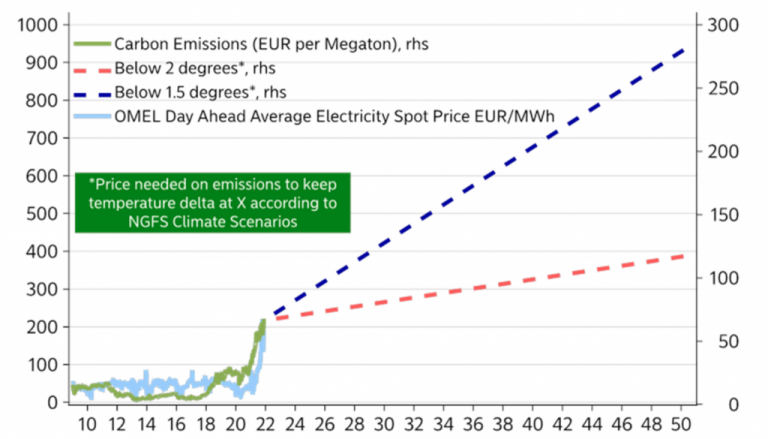
Carbon emissions trading is the buying and selling of carbon dioxide (CO2) output permissions. Find out more here.
Carbon emissions trading is the buying and selling of carbon dioxide (CO2) output permissions. Find out more here.
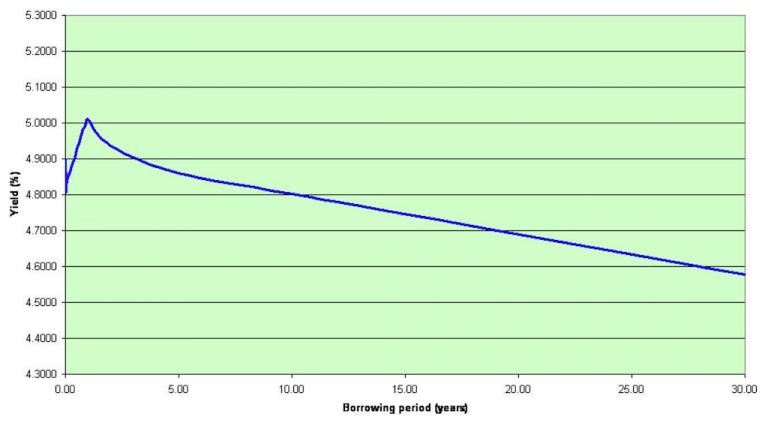
What is the inverted yield curve and why should traders learn about this? What happens in an inverted yield curve environment? Find out here.
Despite being one of the oldest and most well-known stock indexes in the world, there are still some misconceptions about the S&P 500.
In the United States, IRS form 1099-B is used to report proceeds from broker and barter exchange transactions. Find out more here.
In the United States, a Schedule K-1 is a federal tax form filed by partnerships and S corporations. Learn more about it here.
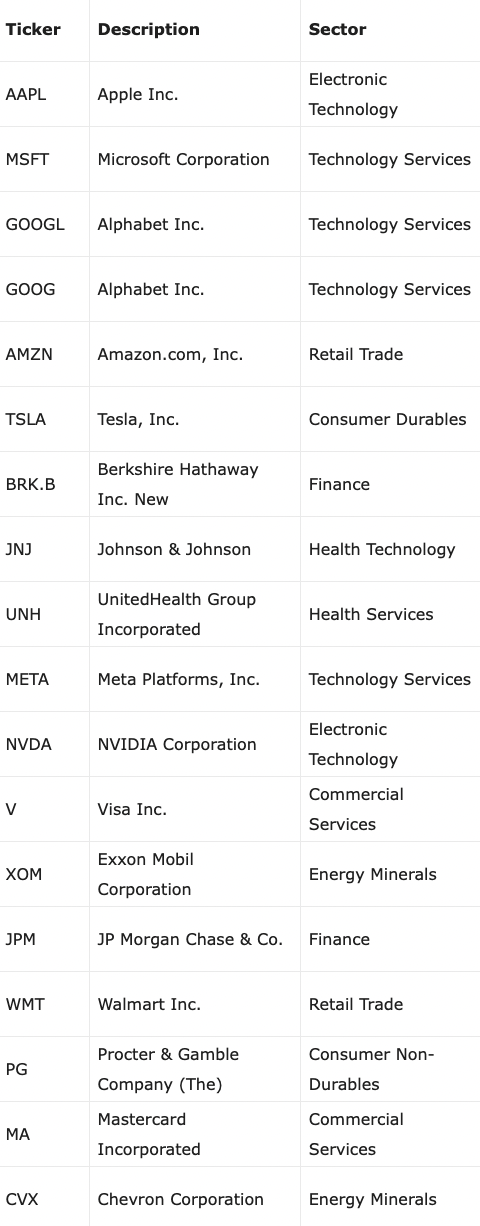
We take a look at the GOOG vs. GOOGL debate. Why do different investors prefer different share classes? Find out more here.
In this article, we'll look at how Money Weighted Return vs. Time Weighted Return are different and how they're calculated.
A Nash equilibrium is a situation in which no player has an incentive to change his or her strategy. Find out how it pertains to trading.
Inflation swaps can be used to hedge against inflation by fixing the payments that will be made in the future. Learn more in our article.
Index funds tracks the performance of a specific market index, such as the S&P 500. But do they pay dividends? Find out here.