




Cattle may be more of a niche commodity market, but it forms a complex and dynamic ecosystem. It’s influenced by various factors ranging from feed costs and weather patterns to consumer trends and global trade policies.
Understanding the supply and demand dynamics, as well as the needs and motivations among various market participants, is important for cattle traders.
Leap into DayTrading.com’s pick of the best cattle brokers, evaluated by our industry experts and traders.
Best Brokers For Trading Cattle Hogs
These are the 6 best brokers for trading Cattle in Slovakia:
-
- Demo account
- Platforms: eToro Web, CopyTrader, TradingCentral
- Min. deposit: $50
55% of retail CFD accounts lose money. eToro is a multi-asset investment platform. The value of your investments may go up or down. Your capital is at risk. -
- Demo account
- Platforms: WebTrader, App
- Min. deposit: $100
81% of retail CFD accounts lose money. -
- Demo account
- Regulator: FCA, ASIC, CySEC, SCA, SCB, CMA-Kenya
- Platforms: Web Platform, MT4, TradingView
-
- Demo account
- Min. deposit: $0
- Min. trade: 0.01 Lots
-
- Demo account
- Platforms: WebTrader, Mobile, MT4, MT5, TradingView
- Min. deposit: $100
74% of retail accounts lose money with this provider. -
- Demo account
- Regulator: BVI FSC
- Platforms: NetTradeX, MT4, MT5




Learn how we test brokers and why you can trust our ratings.
Here is a short overview of each broker's pros and cons
- eToro 4.0/5 eToro is a top-rated multi-asset platform which offers trading services in thousands of CFDs, stocks and cryptoassets. Launched in 2007, the brand has millions of active traders globally and is authorized by tier one regulators, including the FCA and CySEC. The brand is particularly popular for its comprehensive social trading platform. Crypto investments are risky and may not suit retail investors. You could lose your entire investment. Understand the risks here. 55% of retail CFD accounts lose money.
- Plus500 4.1/5 Established in 2008 and headquartered in Israel, Plus500 is a prominent brokerage that boasts over 25 million registered traders in over 50 countries. Specializing in CFD trading, the company offers an intuitive, proprietary platform and mobile app. It maintains competitive spreads and does not charge commissions or deposit or withdrawal fees. Plus500 also continues to shine as one of the most trusted brokers with licenses from reputable regulators, including the FCA, ASIC and CySEC.
- Capital.com 4.3/5 Established in 2016, Capital.com initially focused on CFDs across forex, indices, stocks, commodities, and crypto, aimed squarely at active traders. Over the years it has added more instruments, obtained multiple regulatory licenses, improved its charting tools, and introduced an 1X account that lets you trade without using margin (borrowed funds), now catering to a diverse mix of traders worldwide.
- IG 4.5/5 Founded in 1974, IG is part of IG Group Holdings Plc, a publicly traded (LSE: IGG) brokerage. The brand offers a top-tier selection of 17,000+ markets, with a range of user-friendly platforms and investing apps. For 50 years, IG has maintained its position as an industry leader, excelling in all key areas for traders.
- FOREX.com 4.3/5 Founded in 2001, FOREX.com is now part of StoneX, a financial services organization serving over one million customers worldwide. Regulated in the US, UK, EU, Australia and beyond, the broker offers thousands of markets, not just forex, and provides excellent pricing on cutting-edge platforms.
- IFC Markets 2.9/5 Established in 2006, IFC Markets is an STP/ECN broker that stands out with unique synthetic indices, a choice of fixed and floating spread accounts, and a smooth sign-up process that took minutes during testing.
Community Sentiment
See how users rate these brokers based on the average customer ratings submitted on DayTrading.com, plus ratings from Trustpilot, the Apple App Store and Google Play.
| Broker | Our Users' Rating | Trustpilot Score | Trustpilot Reviews | iOS App Rating | Android App Rating |
|---|---|---|---|---|---|
| eToro | 32383 | ||||
| Plus500 | 20245 | ||||
| Capital.com | 15250 | ||||
| IG | 10310 | ||||
| FOREX.com | 2578 | ||||
| IFC Markets | - | 574 |
eToro
eToro's social trading platform leads the pack with a terrific user experience and active community chat that can help beginners find opportunities. There are also competitive fees on thousands of CFDs and real stocks, plus excellent rewards for experienced strategy providers.
 Christian Harris, Reviewer
eToro quick facts
- Demo Account
- ✔Yes
- Instruments
- CFDs, Forex, Stocks, Indices, ETFs, Smart Portfolios, Commodities, Futures, Crypto, NFTs
- Regulator
- FCA, CySEC, MiCA, MFSA, FSRA, ASIC, FSAS, MAS, GFSC
- Platforms
- eToro Web, CopyTrader, TradingCentral
- Minimum Deposit
- $50
- Minimum Trade
- $10
- Account Currencies
- USD, EUR, GBP, AUD, DKK
Commodities
eToro offers trading of 27 commodities:
- Aluminium
- Cannabis
- Cattle
- Cocoa
- Coffee
- Copper
- Corn
- Cotton
- Gasoline
- Gold
- Iron
- Lead
- Lean Hogs
- Lithium
- Livestock
- Natural Gas
- Nickel
- Oil
- Orange Juice
- Palladium
- Platinum
- Precious Metals
- Silver
- Soybeans
- Sugar
- Wheat
- Zinc
Pros
- In 2025, eToro stopped including all crypto trading fees within the spread - instead, the same commission is now charged separately and shown as a clear line item, giving active traders more transparency without increasing overall costs.
- Apple Watch compatibility allows you to monitor your eToro account, portfolio, popular assets, and prices for your watchlist right from your wrist.
- There's a comprehensive online training academy with accessible resources, from bitesize articles to comprehensive courses.
Cons
- The lack of additional charting platforms like MT4 will reduce the appeal for seasoned day traders accustomed to using third-party software.
- There is a $30 minimum withdrawal amount and a $5 fee, which will affect novices with low capital.
- There are no guaranteed stop loss orders which would be a useful risk management feature for beginners.
Plus500
Plus500 offers a super-clean experience for traders with a CFD trading platform that sports a modern design and dynamic charting. That said, the broker’s research tools are limited, fees trail the cheapest brokers, and there’s room for enhancement in its educational resources.
Christian Harris, Reviewer
Plus500 quick facts
- Demo Account
- ✔Yes
- Instruments
- CFDs on Forex, Stocks, Indices, Commodities, ETFs, Options, Crypto
- Regulator
- FCA, CySEC, EFSA, ASIC, FMA, FSCA, MAS, ISA, FSA, DFSA, SCA, JFSA, SCB, CIRO, BAPPEBTI, OJK, BI
- Platforms
- WebTrader, App
- Minimum Deposit
- $100
- Minimum Trade
- Variable
- Account Currencies
- USD, EUR, GBP, AUD, ZAR, CZK
Commodities
Plus500 offers trading of 18 commodities:
- Aluminium
- Cattle
- Cocoa
- Coffee
- Copper
- Corn
- Cotton
- Gasoline
- Gold
- Lean Hogs
- Livestock
- Oil
- Palladium
- Platinum
- Silver
- Soybeans
- Sugar
- Wheat
Pros
- Plus500 provides a specialized WebTrader platform designed explicitly for CFD trading, offering a clean and uncluttered interface
- In 2025 Plus500 added new share CFDs in emerging sectors like quantum computing and AI, offering opportunities in stocks like IonQ, Rigetti, Duolingo, and Carvana
- Plus500 has bolstered its suite of short-term trading products, including introducing VIX options with enhanced volatility and extended 24/5 hours trading on select stock and ETF CFDs, including SpaceX
Cons
- Algo trading and scalping are not supported, which may deter some day traders
- Educational resources are limited compared to best-in-class brokers like eToro, impacting the learning curve for beginners
- The absence of social trading means users can’t follow and replicate the trades of experienced traders
Capital.com
Capital.com is a great match for day traders with its thousands of CFDs, SmartFeed providing tailored market updates, and TradingView charts for advanced technical indicators paired with Capital.com’s fast and reliable order execution.
Christian Harris, Reviewer
Capital.com quick facts
- Demo Account
- ✔Yes
- Instruments
- CFDs on Forex, Stocks, Indices, Commodities, ETFs, Crypto
- Regulator
- FCA, ASIC, CySEC, SCA, SCB, CMA-Kenya
- Platforms
- Web Platform, MT4, TradingView
- Minimum Deposit
- $20
- Minimum Trade
- 0.01 Lots
- Account Currencies
- USD, EUR, GBP, AUD, SEK, NOK, DKK, CHF, HKD, PLN, CZK, AED, HUF, MXN
Commodities
Capital.com offers trading of 25 commodities:
- Aluminium
- Cattle
- Cocoa
- Coffee
- Copper
- Corn
- Cotton
- Gasoline
- Gold
- Iron
- Lead
- Lean Hogs
- Livestock
- Natural Gas
- Nickel
- Oil
- Orange Juice
- Palladium
- Platinum
- Precious Metals
- Silver
- Soybeans
- Sugar
- Wheat
- Zinc
Pros
- Traders who prefer robust charting can connect their Capital.com account directly to TradingView. This lets you use TradingView’s advanced tools and community ideas alongside Capital.com’s execution, blending a popular charting platform with a regulated broker’s access.
- Capital.com offers a unique 1X CFD account option that lets you trade without leverage, though market risk still exists. This is great for beginners or cautious day traders who want exposure without the risks of margin or overnight fees, something few CFD brokers provide. Availability depends on jurisdiction.
- The Capital.com app performed excellently during testing, with smooth orders, trade management and alerts, while it sits among the highest rated trading apps on the App Store for iOS users.
Cons
- While Capital.com supports MT4, it lacks MT5 integration, limiting access to advanced trading features, including additional timeframes, indicators, and order types.
- The broker’s research resources focus on educational content and in-house analysis but do not currently include third-party tools such as Trading Central, Autochartist, sentiment indicators, and professional-level screeners that some top competitors offer.
- Capital.com offers primarily a standard CFD account and a professional account (subject eligibility) with higher leverage, but it lacks ECN/raw spread accounts or tiered pricing, which can limit trading flexibility for high-volume scalpers.
IG
IG continues to provide a comprehensive package with an intuitive web platform, best-in-class education for beginners, advanced charting tools bolstered by its recent TradingView integration, real-time data, and robust trade execution for experienced day traders.
Christian Harris, Reviewer
IG quick facts
- Demo Account
- ✔Yes
- Instruments
- CFDs (not in US), Forex, Stocks, Indices, Commodities, ETFs, Futures, Options, Crypto, Spread Betting (UK only)
- Regulator
- CFTC, NFA, FCA, BaFin, ASIC, FINMA, MAS, JFSA, FMA, DFSA, BMA, CONSOB
- Platforms
- Web, L2 Dealer, MT4, TradingView, AutoChartist, TradingCentral, ProRealTime
- Minimum Deposit
- $0
- Minimum Trade
- 0.01 Lots
- Account Currencies
- USD, EUR, GBP, CAD, AUD, JPY, ZAR, SEK, DKK, CHF, HKD, SGD
Commodities
IG offers trading of 20 commodities:
- Aluminium
- Cannabis
- Cattle
- Coffee
- Copper
- Gold
- Iron
- Lean Hogs
- Lithium
- Natural Gas
- Nickel
- Oil
- Orange Juice
- Palladium
- Precious Metals
- Silver
- Soybeans
- Steel
- Sugar
- Wheat
Pros
- As a well-established broker, IG operates under strict regulatory guidelines in multiple jurisdictions, maintaining a high level of trust.
- The IG app offers a superb mobile trading experience with a clean design that helped it secure Runner Up at our 'Best Trading App' award.
- The proprietary web-based platform continues to caters to traders of all levels, with advanced charting tools and real-time market data useful for day trading, while IG has also added TradingView integration.
Cons
- Beginners might find IG’s fee structure complex, with various fees for different types of trades or services, potentially leading to confusion or unexpected charges.
- IG applies an inactivity fee of $12-$18 per month after 2 years, deterring casual investors.
- IG has discontinued its swap-free account, reducing its appeal to Islamic traders.
FOREX.com
FOREX.com remains a best-in-class brokerage for active forex traders of all experience levels, with over 80 currency pairs, tight spreads from 0.0 pips and low commissions. The powerful charting platforms collectively offer over 100 technical indicators, as well as extensive research tools.
Christian Harris, Reviewer
FOREX.com quick facts
- Demo Account
- ✔Yes
- Instruments
- Forex, CFDs, Stock CFDs, Indices, Commodities, Futures, Options, Crypto
- Regulator
- NFA, CFTC, CIRO, FCA, CySEC, ASIC, FSA, MAS, CIMA, CMA-UAE
- Platforms
- WebTrader, Mobile, MT4, MT5, TradingView
- Minimum Deposit
- $100
- Minimum Trade
- 0.01 Lots
- Account Currencies
- USD, EUR, GBP, CAD, AUD, JPY, CHF, PLN
Commodities
FOREX.com offers trading of 15 commodities:
- Cattle
- Coffee
- Copper
- Corn
- Cotton
- Gold
- Lean Hogs
- Livestock
- Natural Gas
- Oil
- Orange Juice
- Silver
- Soybeans
- Sugar
- Wheat
Pros
- The in-house Web Trader continues to stand out as one of the best-designed platforms for aspiring day traders with a slick design and over 80 technical indicators for market analysis.
- With over 20 years of experience, excellent regulatory oversight, and multiple accolades including runner-up in our 'Best Forex Broker' awards, FOREX.com boasts a global reputation as a trusted brokerage.
- There’s a wealth of educational resources including tutorials, webinars, and a stacked YouTube channel to help you get educated in the financial markets.
Cons
- Demo accounts are frustratingly time-limited to 90 days, which doesn’t give you enough time to test day trading strategies effectively.
- The group being FOREX.com, GAIN Capital Group LLC, had to pay a $700k fine to NFA for improperly handling some client accounts.
- There’s no negative balance protection for US clients, so you may find yourself owing more money than your initial deposit into your account.
IFC Markets
IFC Markets is best suited to active traders who want flexibility, with a choice of micro and standard accounts, minimum deposits from just $1, plus the ability to blend multiple assets into a single synthetic instrument on the user-friendly NetTradeX platform – a feature we’ve not seen elsewhere.
Christian Harris, Reviewer
IFC Markets quick facts
- Demo Account
- ✔Yes
- Instruments
- CFDs, Forex, Stocks, Indices, Commodities, Crypto, ETFs, Synthetics
- Regulator
- BVI FSC
- Platforms
- NetTradeX, MT4, MT5
- Minimum Deposit
- $1
- Minimum Trade
- 0.01 Lots
- Account Currencies
- USD, EUR, JPY
Commodities
IFC Markets offers trading of 17 commodities:
- Cattle
- Cocoa
- Coffee
- Copper
- Corn
- Cotton
- Gold
- Lean Hogs
- Natural Gas
- Oil
- Orange Juice
- Palladium
- Platinum
- Precious Metals
- Silver
- Soybeans
- Wheat
Pros
- The NetTradeX platform’s PCI feature lets you build your own synthetic instruments – a truly standout feature enabling you to trade complex macro views or hedged positions as a single chartable asset.
- With leverage up to 1:400 and $1 account minimums, IFC Markets offers easy entry for beginners and high-leverage traders. Unlike brokers under stricter ESMA or ASIC rules, its offshore regulation allows more flexible margin and account options.
- MT4, MT5, and NetTradeX are all available on desktop, web and mobile, each with live and demo access, full functionality, and no platform restrictions even on micro accounts.
Cons
- Support hours are regional and weekday-only. During late trades, don’t expect to get help via chat or phone – a big miss for day traders operating in global markets.
- We found the NetTradeX app clunky and visually dated, despite offering advanced features. It lacks the usability of the best day trading apps, such as AvaTrade.
- IFC Markets is licensed only by the BVI FSC, which lacks the investor protections of top-tier regulators like FCA or ASIC. This showed in limited disclosures and fewer client safeguards.
How Did We Choose The Best Cattle Brokers?
To identify the top cattle trading platforms:
Understanding Cattle Market Dynamics
To effectively trade cattle, it’s important to understand the various factors influencing market prices:
Supply and Demand
The most fundamental principle driving cattle prices.
Increased supply, without corresponding demand, usually lowers prices and vice versa.
Seasonality
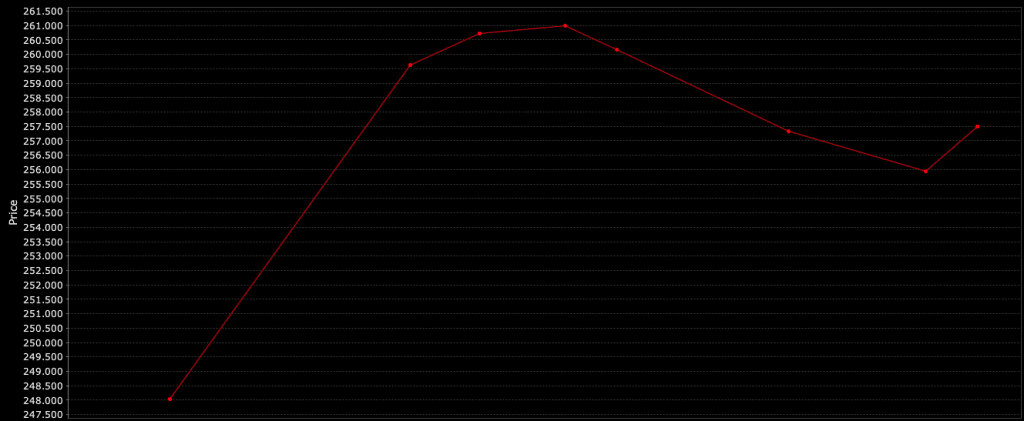
There’s seasonality in cattle prices.
This example futures curve below of feeder cattle (GF) shows the higher prices in the summer relative to winter.
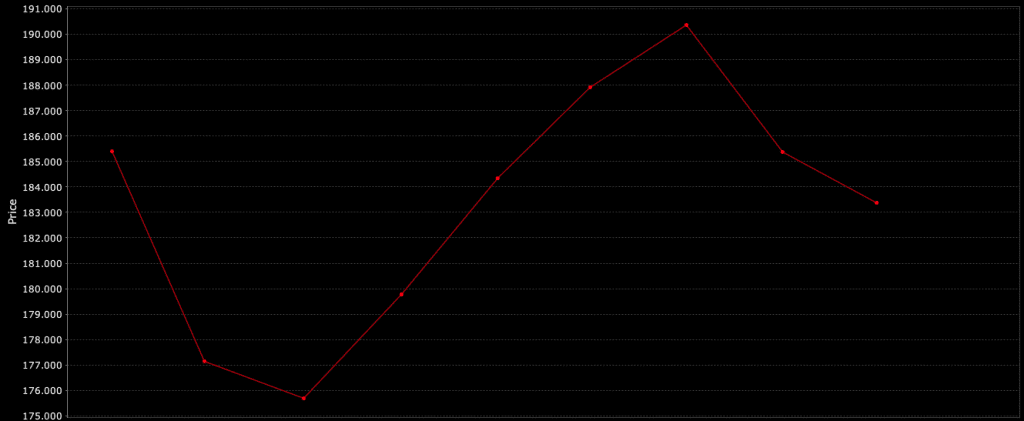
With live cattle (LE), you see prices tend to peak in the spring months (around April) and fall into the summer).
Feed Costs
One of the largest inputs in cattle farming.
Lower feed costs can increase profitability for farmers, potentially leading to increased production and lower beef prices.
Cattle feed primarily consists of grass, hay, silage, and grains such as corn and soybean meal, along with specialized feed supplements.
(Corn and soybeans have their own futures markets, which can add a layer of strategy, especially as it ties in with feeder cattle.)
The prices of these feed components can significantly impact cattle farming economics.
Higher feed costs can decrease profitability for farmers, which can lead to reduced production or higher beef prices to maintain margins.
Conversely, lower feed prices can increase production and potentially reduce beef prices.
Therefore, fluctuations in feed prices are critical to cattle market dynamics. They can influence decisions on herd sizes and feeding strategies and ultimately affect the overall supply and costs in the cattle industry.
Weather Conditions
Weather impacts cattle trading, influencing feed crop prices, and cattle health.
Drought or extreme weather can reduce supply, leading to higher prices.
Economic Indicators
General economic conditions affect consumer spending on meat products, influencing cattle prices.
Economic downturns typically reduce demand for higher-priced meat cuts.
Supply Chain Influences
- Feed Availability and Prices – Lower corn and soybean prices make cattle farming less costly, possibly increasing supply.
- Health Outbreaks – Diseases like BSE (“mad cow disease”) can cause sharp declines in demand and disrupt market stability.
Economic Impacts
- Interest Rates and Investment – Higher interest rates can reduce investment in cattle farming by increasing borrowing costs, leading to tighter supply. The effect on prices will depend on demand.
- Global Trade Policies – Tariffs and trade agreements impact the export and import levels of beef, affecting global supply and prices.
Environmental and Socioeconomic Factors
- Climatic Conditions – Long-term climate trends can affect grazing conditions and feed crop yields, impacting cattle prices.
- Consumer Trends – Shifts toward, e.g., plant-based diets or substitution (e.g., preferences for non-beef meats) can reduce demand for beef, impacting prices.
- Global Development – Conversely, growing populations and rising incomes in developing countries can increase demand.
Regulatory Impacts
- Government Subsidies – Subsidies for cattle farmers or feed crops can affect production costs and supply levels.
- Health Regulations – Stricter health regulations can increase production costs, reducing supply or raising prices to cover costs.
Industry Consolidation and Vertical Integration
Industry consolidation and vertical integration are reshaping the cattle market.
As producers, processors, and distributors merge or acquire one another, fewer companies control larger shares of the market.
This integration streamlines operations, reduces costs, and increases control over supply chains.
But it also reduces competition. This can lead to higher prices for consumers and fewer choices for cattle producers selling their livestock.
Such market concentration can influence price stability, availability of beef products, and the negotiating power of smaller industry players against these larger, integrated entities.
Live Cattle vs Feeder Cattle
Live cattle and feeder cattle are two distinct stages and opportunities within the cattle market.
Each are traded as separate futures contracts on the Chicago Mercantile Exchange (CME).
Feeder Cattle
These are young cattle that have been weaned but are not yet mature enough to be slaughtered.
Typically weighing between 650-850 pounds, feeder cattle are primarily fed in feedlots where they gain weight until they reach the marketable weight for live cattle, approximately 1,200 pounds.
Feeder cattle futures are often used by ranchers and feedlot operators to hedge against the cost of growing these young cattle to market weight.
Live Cattle
These are mature, fattened cattle ready for slaughter, typically weighing about 1,200-1,400 pounds.
Live cattle futures are important for meat packers and processors to hedge against fluctuations in meat prices.
Investors and traders also use live cattle futures to speculate on beef market trends.
The primary difference between feed cattle and live cattle lies in the market segment each represents: feeder cattle are an investment in the growth potential of young cattle, whereas live cattle represent the final product ready for processing.
Prices for each are influenced by different factors:
- feeder cattle prices by grain and feed prices
- live cattle by meat demand and broader economic conditions
Trading Strategies
Futures Contracts
Traders can use cattle futures to hedge against price volatility or speculate on future price movements.
Seasonal Patterns
Understanding and anticipating seasonal fluctuations in cattle supply can provide trading opportunities.
Hedging is often done by farmers (covered more below).
Market Participants
Producers (Farmers)
Directly affected by cattle prices, they might use futures to lock in prices for their livestock.
For example, farmers can reasonably predict herd size.
They have a much harder time predicting prices.
To hedge their risks, since they’re “long” cattle by owning the underlying asset, they can short cattle futures at the expected delivery date in the appropriate quantity to hedge their price risk.
Therefore, it turns into a volume-based business (which they have control over) rather than being exposed to random vagaries over the price (which they have virtually no control over).
In terms of country-level producers…
The top cattle producers in the world are the United States, Brazil, and India, which lead in terms of both the number of cattle and beef production.
Consumers
End consumers indirectly affect the market through their demand for beef products.
Traders and Speculators
They trade futures and options based on their market expectations, adding liquidity and sometimes volatility.
Implementation and Considerations
Via ETFs and Mutual Funds
Traders can access companies that participate in the commodities and cattle markets through exchange-traded funds (ETFs) and mutual funds that specialize in commodities.
Direct Investment in Futures
More experienced traders might consider direct investment in futures contracts for commodities and cattle, although this requires a good understanding of the nuances and risks involved.
Backwardation, contango, roll, trading on leverage, etc., are important elements of futures trading.
Rebalancing Strategy
Regular rebalancing is important to maintain desired risk levels and to adjust the portfolio in response to market movements and changes in outlook.
Bottom Line
Live and feeder cattle represent attractive trading opportunities for switched-on traders. However, a sensible approach to risk management and a comprehensive understanding of what drives market prices is essential.
To get started, use DayTrading.com’s pick of the top cattle trading platforms.