




Finding the best broker for trading IPOs isn’t just about who lists the most deals. From our extensive tests, we discovered huge differences in how brokers handle allocations, fees, research tools, and platform usability. Some excelled at giving active traders a fair shot at new listings, others stood out when it came to pre-IPO speculation.
Fortunately, we’ve done the leg work – revealing the top IPO brokers with detailed insights from our testing.
Top 5 Brokers For Trading IPOs
Based on our hands-on tests, these brokers stand out if you want reliable access to upcoming and recent IPOs:
-
- Demo account
- Min. deposit: $0
- Min. trade: 0.01 Lots
70% of retail investor accounts lose money when trading CFDs with this provider. You should consider whether you can afford to take the high risk of losing your money. -
- Demo account
- Min. deposit: $0
- Min. trade: $1
-
- Demo account
- Min. deposit: $0
- Min. trade: 0.01 Lots
73-89% of retail investor accounts lose money when trading CFDs -
- Demo account
- Platforms: eToro Web, CopyTrader, TradingCentral
- Min. deposit: $50
61% of retail CFD accounts lose money. eToro is a multi-asset investment platform. The value of your investments may go up or down. Your capital is at risk. -
- Demo account
- Instruments: Stocks, Options, ETFs, Bonds
- Regulator: SEC, FINRA



Learn how we test brokers and why you can trust our ratings.
Why Are These Brokers The Best For Trading IPOs?
Here’s why we rate these platforms as the top providers for investors looking to trade IPO shares:
- IG is the best IPO broker in 2026 in the United Kingdom 4.8/5 IG focuses less on primary allocations and more on pre-listing speculation via its grey market. This allowed us to place trades on where an IPO might open before the official listing, offering a valuable window into crowd sentiment. During our grey-market tests, IG’s platform handled volatility well, with no execution lags even as spreads widened near launch. Once shares were live, execution on CFDs and equities was smooth and stable, and we didn't encounter IPO-specific surcharges. IG also performed brilliantly on mobile, with a crisp interface for tracking sentiment and placing speculative trades quickly.
- Interactive Brokers 4.3/5 Interactive Brokers offers an IPO subscription tool right inside its client portal. During testing, we found excellent research integrations, analyst reports, and company filings all tied into IPO listings, making it the most research-rich platform. Execution after shares listed was lightning-fast, with advanced order routing and tight spreads even on volatile launch days.
- Pepperstone 4.8/5 Through perpetual futures, Pepperstone now provides IPO trading. In fact, pre-IPO opportunities are available on big names like SpaceX. Though access depends on the client's location, with the initial roll-out happening in the UAE.
- eToro 4.0/5 eToro offers IPO trading in some instances. For example, its UK entity acting as a Permitted Intermediary in UK to provide access to the SpaceX IPO, allowing Brits to apply for IPO shares with zero commission directly via eToro.
- TradeUp 3.5/5 TradeUp has a neat ‘one-click IPO subscription’ feature that lets users find and request allocations in dozens of U.S. stock IPOs directly in the app. With predictable, transparent costs and a reliable app during our testing, it’s a good option for fast-paced IPO traders.
How Safe Are The Top IPO Brokers?
Buying into IPOs carries risks as well as opportunities. We reviewed protections and safeguards to see how secure these brokers are for IPO traders:
| Broker | Trust Rating | Guaranteed Stop Loss | Negative Balance Protection | Segregated Accounts |
|---|---|---|---|---|
| IG | ✔Yes | ✔Yes | ✔Yes | |
| Interactive Brokers | ✘No | ✔Yes | ✔Yes | |
| Pepperstone | ✘No | ✔Yes | ✔Yes | |
| eToro | ✘No | ✔Yes | ✔Yes | |
| TradeUp | ✘No | ✘No | ✔Yes |
Are The Top IPO Brokers Good For Beginners?
We assessed how beginner-friendly these IPO brokers are, including account setup, education, and ease of accessing IPOs for first-time traders:
| Broker | Demo Account | Minimum Deposit | Minimum Trade | Education Rating | Support Rating |
|---|---|---|---|---|---|
| IG | ✔Yes | $0 | 0.01 Lots | ||
| Interactive Brokers | ✔Yes | $0 | $1 | ||
| Pepperstone | ✔Yes | $0 | 0.01 Lots | ||
| eToro | ✔Yes | $50 | $10 | ||
| TradeUp | ✔Yes | $0.01 | $1 |
Are The Top IPO Brokers Good For Experienced Traders?
IPO investing is not just for beginners - here’s how the leading IPO brokers cater to more seasoned traders too:
| Broker | Automated Trading | VPS | AI | Pro Account | Leverage | Low Latency | Extended Hours |
|---|---|---|---|---|---|---|---|
| IG | Expert Advisors (EAs) on MetaTrader, build your own on ProRealTime | ✔Yes | ✔Yes | ✔Yes | 1:30 (Retail), 1:222 (Pro) | ✔Yes | ✔Yes |
| Interactive Brokers | TWS API | ✘No | ✔Yes | ✘No | 1:30 | ✔Yes | ✔Yes |
| Pepperstone | Expert Advisors (EAs) on MetaTrader, cBots on cTrader | ✘No | ✘No | ✔Yes | 1:30 (Retail - UK, EU, Australia), 1:500 (Pro), 1:200 (Offshore), 1:400 (Kenya) | ✔Yes | ✘No |
| eToro | Automate your trades via CopyTrader - follow profitable traders. Open and close trades automatically when they do. | ✘No | ✔Yes | ✘No | 1:30 | ✘No | ✔Yes |
| TradeUp | - | ✘No | ✘No | ✘No | - | ✘No | ✔Yes |
Compare Detailed Ratings Of The Best IPO Brokers
See how the top IPO trading platforms performed in each key testing area:
| Broker | Trust | Platforms | Assets | Mobile | Fees | Accounts | Research | Education | Support |
|---|---|---|---|---|---|---|---|---|---|
| IG | |||||||||
| Interactive Brokers | |||||||||
| Pepperstone | |||||||||
| eToro | |||||||||
| TradeUp |
Compare Trading Fees On IPOs
Costs can cut into IPO profits. Compare fees and charges across our top-rated IPO brokers:
| Broker | Cost Rating | Fixed Spreads | Inactivity Fee |
|---|---|---|---|
| IG | ✘No | $12 | |
| Interactive Brokers | ✘No | $0 | |
| Pepperstone | ✔Yes | $0 | |
| eToro | ✔Yes | $10 | |
| TradeUp | ✘No | $0 |
Community Sentiment
See how users rate these brokers based on the average customer ratings submitted on DayTrading.com, plus ratings from Trustpilot, the Apple App Store and Google Play.
| Broker | Our Users' Rating | Trustpilot Score | Trustpilot Reviews | iOS App Rating | Android App Rating |
|---|---|---|---|---|---|
| IG | 10135 | ||||
| Interactive Brokers | 5519 | ||||
| Pepperstone | 3666 | ||||
| eToro | 32195 | ||||
| TradeUp | - | 1 |
How Popular Are The Top IPO Trading Platforms?
With IPO trading surging in popularity, we measured user activity at our leading providers:
Why Use IG For Trading IPOs?
IG continues to provide a comprehensive package with an intuitive web platform, best-in-class education for beginners, advanced charting tools bolstered by its recent TradingView integration, real-time data, and robust trade execution for experienced day traders.
 Christian Harris, Reviewer
IG quick facts
- Demo Account
- ✔Yes
- Instruments
- CFDs (not in US), Forex, Stocks, Indices, Commodities, ETFs, Futures, Options, Crypto, Spread Betting (UK only)
- Regulator
- CFTC, NFA, FCA, BaFin, ASIC, FINMA, MAS, JFSA, FMA, DFSA, BMA
- Platforms
- Web, L2 Dealer, MT4, TradingView, AutoChartist, TradingCentral, ProRealTime
- Minimum Deposit
- $0
- Minimum Trade
- 0.01 Lots
- Account Currencies
- USD, EUR, GBP, CAD, AUD, JPY, ZAR, SEK, DKK, CHF, HKD, SGD
Pros
- IG obtained a crypto asset license from the FCA, allowing it to re-enter the UK market to provide buying, selling and storing opportunities on 55+ digital tokens with fees from 1.49%, and all within an FCA-licensed environment.
- IG is amongst the best in terms of its range of instruments, which includes stocks, forex, indices, commodities, and cryptocurrencies, plus added US-listed futures and options as well as an AI Index, providing diversification opportunities.
- As a well-established broker, IG operates under strict regulatory guidelines in multiple jurisdictions, maintaining a high level of trust.
Cons
- IG applies an inactivity fee of $12-$18 per month after 2 years, deterring casual investors.
- IG has discontinued its swap-free account, reducing its appeal to Islamic traders.
- Beginners might find IG’s fee structure complex, with various fees for different types of trades or services, potentially leading to confusion or unexpected charges.
Why Use Interactive Brokers For Trading IPOs?
Interactive Brokers is one of the best brokers for advanced day traders, providing powerful charting platforms, real-time data, and customizable layouts, notably through the new IBKR Desktop application. Its superb pricing and advanced order options also make it highly attractive for day traders, while its diverse range of equities is still among the best in the industry.
Christian Harris, Reviewer
Interactive Brokers quick facts
- Demo Account
- ✔Yes
- Instruments
- Stocks, Options, Futures, Forex, Funds, Bonds, ETFs, Mutual Funds, Cryptocurrencies, CFDs
- Regulator
- SEC, FINRA, CFTC, NFA, CIRO, FCA, CBI, ASIC, SFC, SEBI, JFSA, MAS
- Platforms
- Trader Workstation (TWS), IBKR Desktop, GlobalTrader, Mobile, Client Portal, AlgoTrader, OmniTrader, TradingView, eSignal, TradingCentral, ProRealTime, Quantower
- Minimum Deposit
- $0
- Minimum Trade
- $1
- Account Currencies
- USD, EUR, GBP, CAD, AUD, INR, JPY, SEK, NOK, DKK, CHF, AED, HUF
Pros
- The new IBKR Desktop platform takes the best of TWS while adding bespoke tools like Option Lattice and Screeners with MultiSort to create a genuinely impressive trading experience for day traders at every level.
- IBKR is one of the most respected and trusted brokerages and is regulated by top-tier authorities, so you can have confidence in the integrity and security of your trading account.
- With low commissions, tight spreads and a transparent fee structure, IBKR delivers a cost-effective environment for short-term traders.
Cons
- Support can be slow and frustrating based on tests, so you might find it challenging to reach customer service representatives promptly or encounter delays in resolving issues.
- IBKR provides a wide range of research tools, but their distribution across trading platforms and the web-based 'Account Management' page lacks consistency, leading to a confusing user experience.
- You can only have one active session per account, so you can’t have your desktop program and mobile app running simultaneously, making for a sometimes frustrating trading experience.
Why Use Pepperstone For Trading IPOs?
Pepperstone stands out as a top choice for day trading, offering razor-sharp spreads, ultra-fast execution, and advanced charting platforms for experienced traders. New traders are also welcomed with no minimum deposit, extensive educational resources, and exceptional 24/5 support (18h a day on weekends).
Christian Harris, Reviewer
Pepperstone quick facts
- Demo Account
- ✔Yes
- Instruments
- CFDs, Forex, Currency Indices, Stocks, Indices, Commodities, ETFs, Crypto CFDs (only Pro clients), Spread Betting
- Regulator
- FCA, ASIC, CySEC, BaFin, DFSA, SCA, SCB, CMA-Kenya
- Platforms
- Pepperstone Trading Platform, MT4, MT5, cTrader, TradingView
- Minimum Deposit
- $0
- Minimum Trade
- 0.01 Lots
- Account Currencies
- USD, EUR, GBP, CAD, AUD, NZD, JPY, CHF, HKD, SGD
Pros
- After adding spread betting through TradingView, Pepperstone provides a seamless, tax-efficient trading experience with advanced analysis tools for financial spread bettors in supported countries.
- Award-winning customer support is available via telephone, email or live chat with response times of <5 minutes during testing and friendly agents knowledgeable about its products and trading tools.
- There’s support for a range of industry-leading charting platforms including MT4, MT5, TradingView, and cTrader, catering to various short-term trading styles, including algo trading.
Cons
- Execution may not feel as reliable in fast markets as headline speeds suggest. In our own testing, execution was fast at desired prices, but some community complaints focus on slippage, stop-loss fills and spread-sensitive order triggers during volatile conditions.
- Overnight holding fees are higher than that found with some Market Maker brokers (usually Benchmark + 2.5%). This makes pepperstone an ideal broker for day traders and forex scalpers but less suitable for swing traders who often keep position open overnight.
- Pepperstone has removed support for several tools that elevated the trading experience for active retail traders, notably Autochartist, Capitalise.ai and a free VPS for qualifying traders (now only pro traders in some countries).
Why Use eToro For Trading IPOs?
eToro's social trading platform leads the pack with a terrific user experience and active community chat that can help beginners find opportunities. There are also competitive fees on thousands of CFDs and real stocks, plus excellent rewards for experienced strategy providers.
Christian Harris, Reviewer
eToro quick facts
- Demo Account
- ✔Yes
- Instruments
- CFDs, Forex, Stocks, Indices, ETFs, Smart Portfolios, Commodities, Futures, Crypto, NFTs
- Regulator
- FCA, CySEC, MiCA, MFSA, FSRA, ASIC, FSAS, MAS, GFSC
- Platforms
- eToro Web, CopyTrader, TradingCentral
- Minimum Deposit
- $50
- Minimum Trade
- $10
- Account Currencies
- USD, EUR, GBP, AUD, DKK
Pros
- eToro picked up second place in DayTrading.com's 'Best Crypto Broker' for 2025 with its huge range of tokens, reliable service and competitive fees.
- Charts are powered by TradingView and offer strong technical analysis features, including 9 chart types and over 100 indicators.
- The eToro Club entry barrier has been lowered, with a $4.99/month subscription providing access to 18 perks, including a debit card that turns shopping into equities with 4% back in shares.
Cons
- There is a $30 minimum withdrawal amount and a $5 fee, which will affect novices with low capital.
- There are limited contact methods aside from the in-platform live chat.
- The lack of additional charting platforms like MT4 will reduce the appeal for seasoned day traders accustomed to using third-party software.
Why Use TradeUp For Trading IPOs?
TradeUp is best suited to budget-conscious day traders looking to trade U.S. and global markets (via ADRs) with zero commissions on a user-friendly mobile app. Its more than 250 Chinese American Depositary Receipts (ADRs), including Alibaba Group (BABA), also make it suitable for trading Chinese equities.
Christian Harris, Reviewer
TradeUp quick facts
- Demo Account
- ✔Yes
- Instruments
- Stocks, Options, ETFs, Bonds
- Regulator
- SEC, FINRA
- Platforms
- Desktop, Web, Mobile
- Minimum Deposit
- $0.01
- Minimum Trade
- $1
- Account Currencies
- USD
Pros
- TradeUp offers commission-free trading on US stocks and ETFs, and support for fractional shares lets you buy portions of a share for as little as $1. This makes it a cost-effective choice for active day traders who want to minimize trading expenses.
- TradeUp’s platforms work smoothly across multiple devices based on our tests, including mobile apps for iOS and Android, a desktop app for Windows and Mac, and a web-based platform. This allows active traders to switch between devices without losing continuity, whether you’re at home or on the go.
- TradeUp runs an integrated and intuitive financial calendar that helps you track earnings, dividends, and IPOs relevant to your watchlist, enabling you to stay ahead of market-moving events.
Cons
- TradeUp does not support popular third-party platforms like TradingView or cTrader, so traders who rely on those for advanced charting, automation, or community features won't find that flexibility.
- TradeUp's educational resources aren't kept updated, and were over 6 months old in our latest tests. While there are articles and tutorials aimed at newcomers, the content is somewhat limited and does not cover more advanced trading strategies or deeper topics.
- A 2026 security incident left the personal and financial data of 26,985 users vulnerable, including their Social Security numbers, driver's licenses, passports, and medical information.
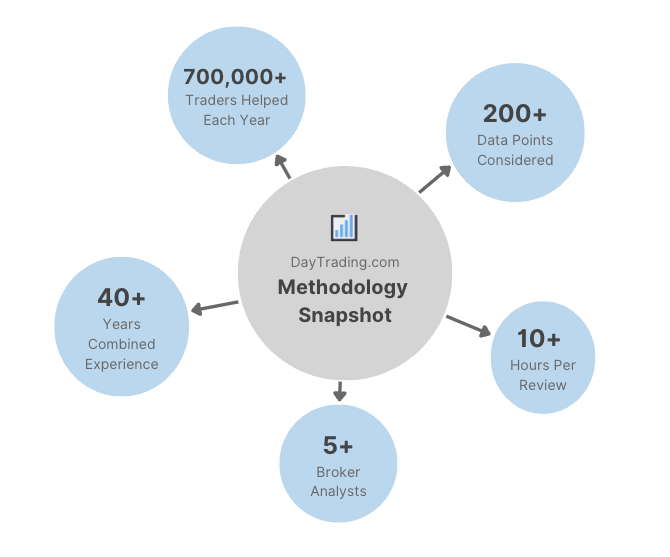
How DayTrading.com Chose The Top IPO Brokers
We started by hand-picking only regulated brokers that provide access to IPO stocks for trading. We then carefully evaluated and documented their specific IPO offering by following these steps:
- Account setup: We opened or used existing live accounts with each broker and went through the verification and funding steps. It gave us a feel for how quick and painless (or not) the onboarding process is.
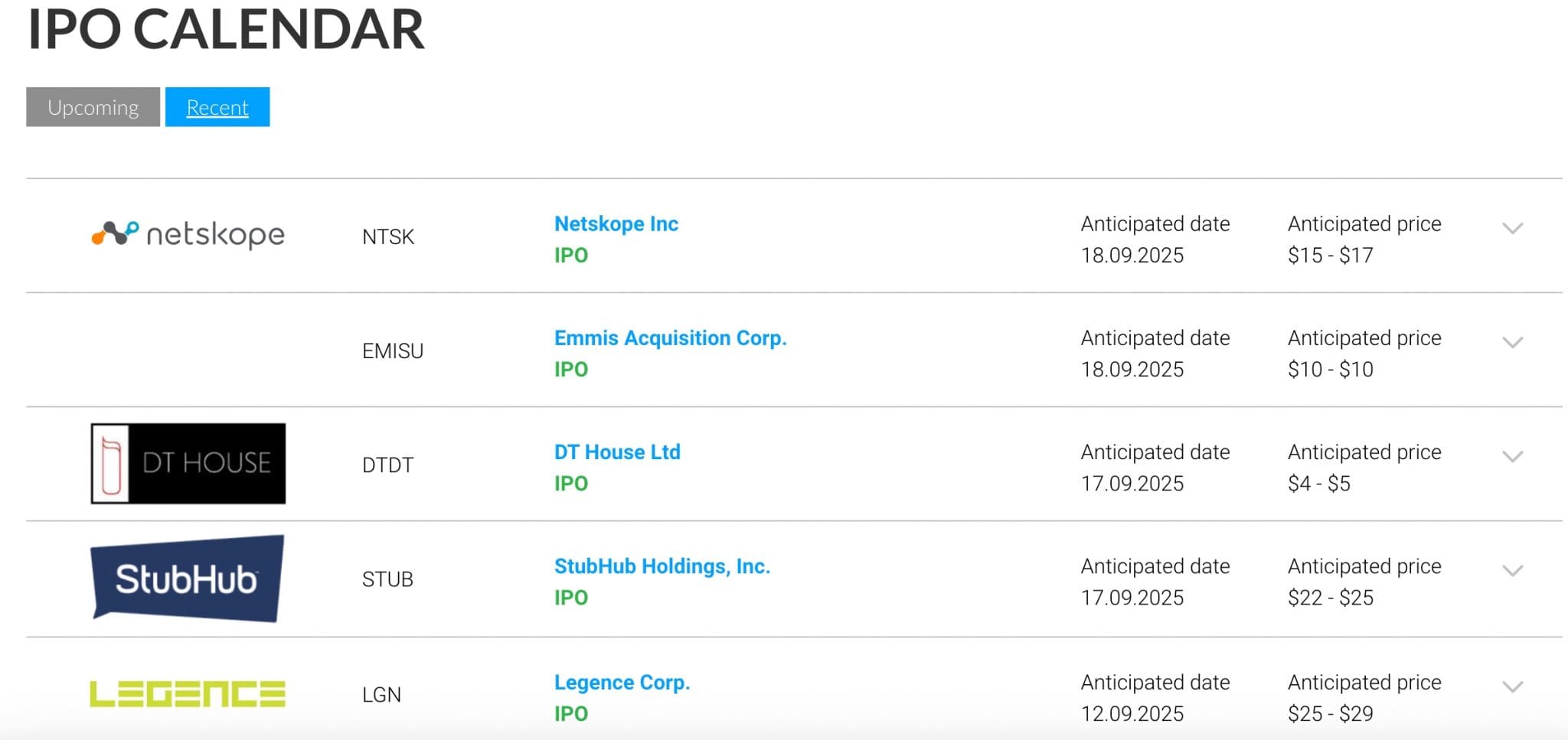
- IPO discovery: We checked where each platform lists upcoming IPOs. Some have dedicated calendars and alerts (which we found far easier to navigate), while others buried the details in their research sections.
- Application process: We submitted test requests for allocations at some. At others, we focused more on grey-market trades linked to IPOs. Where available, we tried the IPO subscription tool in the client portal to see how accessible it really was.
- Mobile vs. desktop: Since many active traders now rely on their phones, we ran through the whole process on mobile apps too. In some cases, IPO-related access was smoother on mobile than on desktop.
- Post-IPO execution: Once the shares listed, we placed trades across the brokers to check execution speed, spreads, and platform stability under the extra IPO hype.
Running these tests showed us where the friction points are. For example, with some, the tech is powerful, but in practice, we found limits on which IPOs we could trade. In other cases, the IPO calendar was helpful, though allocations were hit-and-miss. Elsewhere, other providers were great when it came to grey market and early speculation, but didn’t deliver consistent primary allocations.
Finally, after recording and evaluating each shortlisted broker, we sorted providers on their overall ratings – balancing access to IPOs with the full trading package.
What To Look For In A Broker With Access To Initial Public Offerings
You can boil the key decision making factors down to these five things when picking a broker to trade IPO stocks:
- Primary market access: If you can only buy once the stock lists, that’s not the same as having a seat at the table before the bell rings.
- Fair allocation rules: Brokers must be open about how shares get distributed and any minimum investment requirements.
- Fees and commissions: Platforms shouldn’t sneak in hidden charges specific to IPOs, as these can seriously erode the margins of short-term traders.
- Research and education: An IPO calendar, a clean prospectus library, or analyst insights can make or break your prep.
- Platform usability: It should be easy from beginners up to navigate the IPO portal, apply, and track allocations on both desktop and mobile.
Risks Of Trading IPOs With The Wrong Broker
One thing we learned quickly during testing is that choosing the wrong broker for IPOs isn’t just inconvenient – it can cost you money or opportunity. Across the firms we evaluated, the risks varied depending on the broker’s approach to IPOs and your trading style.
- Allocation risk: Even if a broker advertises IPO access, you may not get your requested shares. In our tests, two brokers sometimes partially allocated orders, leaving us underexposed to high-demand deals.
- Hidden fees or charges: Some brokers have small participation or processing fees tied to IPOs. One firm we evaluated handled this well with no surprise costs, but another occasionally had higher minimums or conditions depending on the market. Testing each step helped us avoid unexpected charges.
- Limited access by region: A couple of providers we evaluated showed us that not all IPOs are available to all clients. You might think you’re set up, but geographic restrictions or regulatory rules can block access entirely.
- Volatility exposure: IPOs are inherently volatile, and if you’re only speculating via grey-market or post-listing trading, you need to be aware that price swings can be fast and unforgiving. This can really appeal to day traders, but our tests highlighted how quickly spreads can widen on launch day.
- Platform usability under pressure: A laggy app or unclear process can make you miss allocations or misprice trades. That’s why testing mobile and desktop platforms was critical for us – we wanted to see how each broker handles high-demand moments.
The main lesson I came away with is this: knowing the broker’s IPO limitations, fees, and platform quirks is just as important as picking the right stock.
I avoid surprises by checking allocation rules, fees, and platform reliability before diving into any deal.
 Paul HolmesAuthor