




Hydrogen has shifted from being an energy buzzword to a genuine growth story. With governments worldwide throwing serious weight behind the clean energy transition, hydrogen is moving closer to the center of conversation amongst active traders.
When we first started testing hydrogen-linked brokers, one thing jumped out: volatility. These stocks can move fast. That’s partly because many of the companies are still in growth phases, and partly because investor interest spikes whenever fresh news about subsidies or infrastructure investments hits the wires.
For us traders, that makes hydrogen stocks and ETFs a compelling space. Still, finding a platform with the right access, tools and pricing is key. Fortunately, we’ve run tests to identify the best brokers for trading hydrogen.
Top Brokers For Trading Hydrogen Stocks and ETFs
Sorry, there are no brokers that accept traders from your location (Canada). If this location is incorrect, please change it.
How DayTrading.com Chose The Top Brokers That Offer Hydrogen Stocks and ETFs
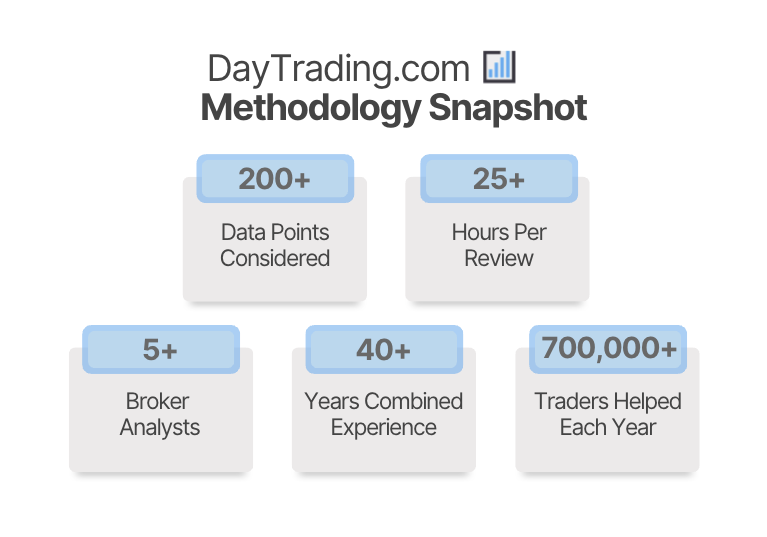
Hydrogen is still an emerging sector; therefore, broker choice makes a bigger difference than with mainstream equities. We put each platform through hands-on testing rather than relying on advertised features. Our goal was to see how each broker handles real trading of hydrogen stocks and ETFs.
Here’s what we looked for when testing brokers:
- Market Coverage: Some platforms only give you access to the big U.S. names, while others cover the entire supply chain across Europe, Asia, and the U.S. We wanted brokers that offered more than just Linde and Air Products. Access to growth stocks like Nel ASA or Ballard Power Systems, was a key scoring factor.
- ETF Access: Hydrogen ETFs are increasingly popular for diversification. We tested access to major ETFs, including the Global X Hydrogen ETF (HYDR) and L&G Hydrogen Economy UCITS ETF (HTWO). Brokers that offered both U.S. and European ETFs scored higher.
- Execution Speed: We placed multiple market and limit orders on both large-cap names like Linde and smaller, volatile plays such as Plug Power and Nel ASA. We measured how quickly orders were filled and tracked any slippage during periods of high market activity.
- Costs and Fees: We recorded spreads, commissions, and overnight financing charges across a variety of trades. This helped us see which brokers are truly cost-efficient when trading hydrogen stocks and ETFs rather than just relying on their published fee tables.
- Platform Usability: Ease of use matters, especially for volatile sectors like hydrogen. We evaluated charting, alerts, watchlists, and research tools, as well as the onboarding process and account setup speed.
- Real-World Trading Scenarios: We simulated different trading strategies, including short-term trades in volatile single stocks. This allowed us to test each broker’s performance in scenarios day traders are most likely to encounter.
How to Trade Hydrogen
There are two main ways to trade hydrogen:
1. Single Stock Purchases
Buying individual hydrogen stocks gives you direct exposure to the companies driving the sector. This works well if you want to focus on a few names and ride their growth (or short them if the hype fades). But the trade-off is volatility – hydrogen pure plays like Plug Power can swing double digits in a single session.
Hydrogen is a mix of giants and disruptors. On one side, you’ve got established chemical companies that have been producing hydrogen for decades. On the other hand, smaller, high-volatility innovators are trying to carve out their place in the clean energy boom.
Here are the key names we’d keep on our radar:
| Company | Ticker | What They Do | Why Traders Watch |
|---|---|---|---|
| Plug Power | PLUG | Builds hydrogen fuel cells and infrastructure. | One of the most liquid hydrogen plays, but also volatile with regular earnings shocks. |
| Ballard Power Systems | BLDP | Specializes in fuel cell tech for buses, trucks, and shipping | A pure-play hydrogen stock with global projects, often sensitive to policy news |
| Bloom Energy | BE | Produces solid oxide fuel cells for clean electricity | Gains traction on partnerships and adoption in industrial markets |
| Nel ASA | NEL.OL | Norwegian hydrogen equipment and electrolyzer producer | Heavily tied to European hydrogen projects and subsidies |
| Linde | LIN | Global industrial gas giant with large hydrogen division | Stable, blue-chip exposure to hydrogen and green projects |
| Air Products & Chemicals | APD | U.S. giant investing heavily in hydrogen production and distribution | Reliable stock with both dividend stability and hydrogen upside |
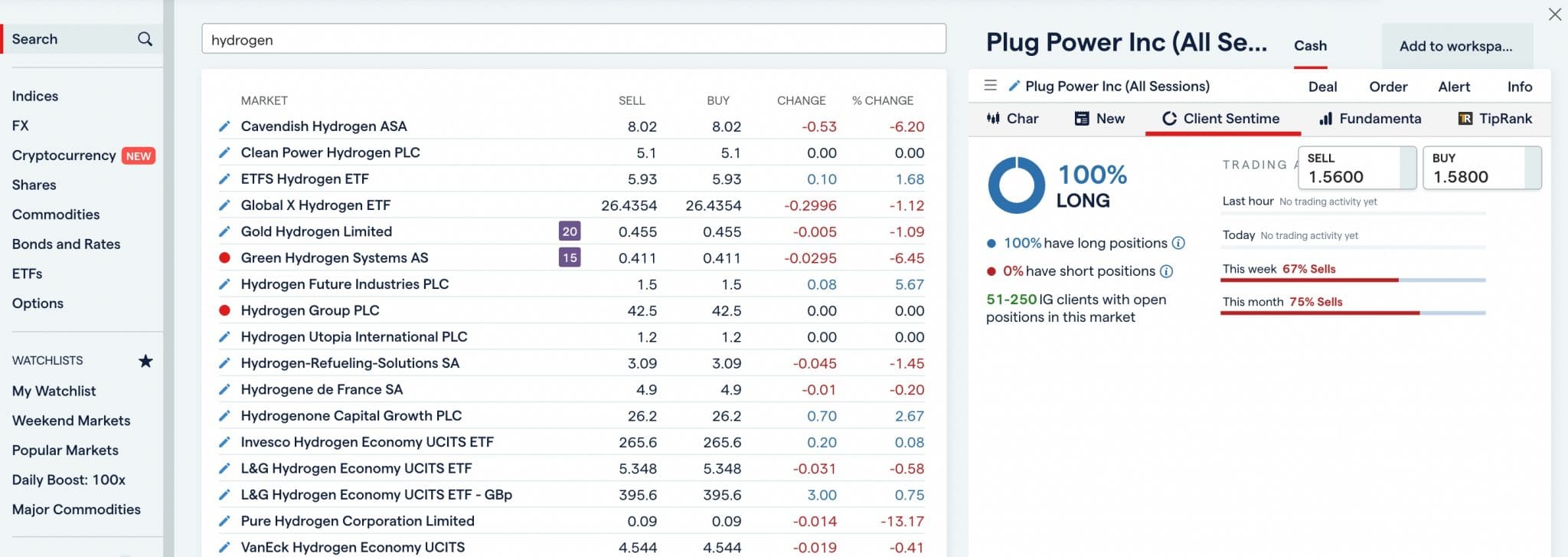
During my tests, I noticed brokers vary widely in the stocks they offer. Larger caps like Linde and Air Products are accessible almost everywhere, while names like Nel ASA often require a broker with wide European market coverage.
That’s why and when platform and broker choice becomes crucial, depending on how deep into the hydrogen supply chain you want to trade.
 Paul HolmesAuthor
2. Exchange-Traded Funds (ETFs)
Hydrogen ETFs are the smarter route if you prefer diversification. Instead of betting on one or two companies, you spread exposure across dozens of players in hydrogen production, fuel cells, and infrastructure.
The most popular funds we saw across platforms in testing include:
- Global X Hydrogen ETF (HYDR) – U.S.-listed fund tracking hydrogen production and supply chain players.
- L&G Hydrogen Economy UCITS ETF (HTWO) – A European option covering hydrogen and fuel cell firms.
- VanEck Hydrogen Economy ETF (HDRO.EU) – Another EU-based product with broad sector exposure.
Hydrogen is volatile, no doubt, but that’s what makes it worth watching for many of us traders.
The key is having the right broker setup – one that gives access to both single stocks and ETFs, with tight spreads and reliable execution.
Paul HolmesAuthorPros and Cons of Trading Hydrogen
Pros
- High Growth Potential: Hydrogen is at the forefront of the clean energy transition, with both established companies and innovative startups.
- Diversification via ETFs: ETFs like HYDR and HTWO let you spread your risk across multiple hydrogen plays in one trade.
- Volatility Creates Opportunities: Price swings in smaller hydrogen names can offer short-term trading potential.
- Global Exposure: Traders can access U.S., European, and some Asian hydrogen stocks through the right brokers.
Cons
- High Volatility: Smaller hydrogen stocks can swing sharply on policy news, earnings, or project announcements.
- Limited Liquidity on Some Names: Some ETFs and smaller stocks trade with lower volume, which can affect fills and pricing.
- Complex Sector: Understanding hydrogen production, fuel cells, and infrastructure is necessary to make informed trades.
- Broker Access Varies: Not every platform offers all hydrogen stocks and ETFs, so careful broker selection is essential.