





Livestock trading, particularly using futures, is a popular way to speculate on the price changes associated with the meat business. Livestock day trading is now more accessible than ever, with several leading online brokers featuring livestock-based derivatives on their platforms and mobile apps.
This 2026 livestock trading guide will explore the fundamentals of the industry, the factors affecting price movements and how to use the markets to trade. We have also provided a list below of the best livestock trading brokers.
Top Livestock Trading Brokers
These are the 4 best brokers for trading Livestock in Ukraine:
-
- Demo account
- Platforms: WebTrader, App
- Min. deposit: $100
81% of retail CFD accounts lose money. -
- Demo account
- Regulator: FCA, ASIC, CySEC, SCA, SCB, CMA-Kenya
- Platforms: Web Platform, MT4, TradingView
-
- Demo account
- Platforms: WebTrader, Mobile, MT4, MT5, TradingView
- Min. deposit: $100
-
- Demo account
- Platforms: InstaTrade Gear, MT4
- Min. deposit: $1



Learn how we test brokers and why you can trust our ratings.
Here is a short overview of each broker's pros and cons
- Plus500 4.1/5 Established in 2008 and headquartered in Israel, Plus500 is a prominent brokerage that boasts over 25 million registered traders in over 50 countries. Specializing in CFD trading, the company offers an intuitive, proprietary platform and mobile app. It maintains competitive spreads and does not charge commissions or deposit or withdrawal fees. Plus500 also continues to shine as one of the most trusted brokers with licenses from reputable regulators, including the FCA, ASIC and CySEC.
- Capital.com 4.3/5 Established in 2016, Capital.com initially focused on CFDs across forex, indices, stocks, commodities, and crypto, aimed squarely at active traders. Over the years it has added more instruments, obtained multiple regulatory licenses, improved its charting tools, and introduced an 1X account that lets you trade without using margin (borrowed funds), now catering to a diverse mix of traders worldwide.
- FOREX.com 4.3/5 Founded in 2001, FOREX.com is now part of StoneX, a financial services organization serving over one million customers worldwide. Regulated in the US, UK, EU, Australia and beyond, the broker offers thousands of markets, not just forex, and provides excellent pricing on cutting-edge platforms.
- InstaTrade 3.0/5 InstaTrade, based in the British Virgin Islands, is an online broker specializing in passive investment products and active trading through CFDs. Its zero-spread accounts, excellent research notably through InstaTrade TV, and access to the popular MT4 alongside its own web-accessible InstaTrade Gear, make it an attractive option for short-term traders at every level.
Community Sentiment
See how users rate these brokers based on the average customer ratings submitted on DayTrading.com, plus ratings from Trustpilot, the Apple App Store and Google Play.
| Broker | Our Users' Rating | Trustpilot Score | Trustpilot Reviews | iOS App Rating | Android App Rating |
|---|---|---|---|---|---|
| Plus500 | 20182 | ||||
| Capital.com | 15222 | ||||
| FOREX.com | 2561 | ||||
| InstaTrade | 16 |
Plus500
Plus500 offers a super-clean experience for traders with a CFD trading platform that sports a modern design and dynamic charting. That said, the broker’s research tools are limited, fees trail the cheapest brokers, and there’s room for enhancement in its educational resources.
 Christian Harris, Reviewer
Plus500 quick facts
- Demo Account
- ✔Yes
- Instruments
- CFDs on Forex, Stocks, Indices, Commodities, ETFs, Options, Crypto
- Regulator
- FCA, CySEC, EFSA, ASIC, FMA, FSCA, MAS, ISA, FSA, DFSA, SCA, JFSA, SCB, CIRO, BAPPEBTI, OJK, BI
- Platforms
- WebTrader, App
- Minimum Deposit
- $100
- Minimum Trade
- Variable
- Account Currencies
- USD, EUR, GBP, AUD, ZAR, CZK
Commodities
Plus500 offers trading of 18 commodities:
- Aluminium
- Cattle
- Cocoa
- Coffee
- Copper
- Corn
- Cotton
- Gasoline
- Gold
- Lean Hogs
- Livestock
- Oil
- Palladium
- Platinum
- Silver
- Soybeans
- Sugar
- Wheat
Pros
- In 2025 Plus500 added new share CFDs in emerging sectors like quantum computing and AI, offering opportunities in stocks like IonQ, Rigetti, Duolingo, and Carvana
- Plus500 provides a specialized WebTrader platform designed explicitly for CFD trading, offering a clean and uncluttered interface
- Plus500 has bolstered its suite of short-term trading products, including introducing VIX options with enhanced volatility and extended 24/5 hours trading on select stock and ETF CFDs, including SpaceX
Cons
- The absence of social trading means users can’t follow and replicate the trades of experienced traders
- Plus500’s lack of support for MetaTrader or cTrader charting tools might be a deal breaker for advanced day traders looking for familiarity
- Compared to some competitors, especially IG, Plus500’s research and analysis tools are limited
Capital.com
Capital.com is a great match for day traders with its thousands of CFDs, SmartFeed providing tailored market updates, and TradingView charts for advanced technical indicators paired with Capital.com’s fast and reliable order execution.
Christian Harris, Reviewer
Capital.com quick facts
- Demo Account
- ✔Yes
- Instruments
- CFDs on Forex, Stocks, Indices, Commodities, ETFs, Crypto
- Regulator
- FCA, ASIC, CySEC, SCA, SCB, CMA-Kenya
- Platforms
- Web Platform, MT4, TradingView
- Minimum Deposit
- $20
- Minimum Trade
- 0.01 Lots
- Account Currencies
- USD, EUR, GBP, AUD, SEK, NOK, DKK, CHF, HKD, PLN, CZK, AED, HUF, MXN
Commodities
Capital.com offers trading of 25 commodities:
- Aluminium
- Cattle
- Cocoa
- Coffee
- Copper
- Corn
- Cotton
- Gasoline
- Gold
- Iron
- Lead
- Lean Hogs
- Livestock
- Natural Gas
- Nickel
- Oil
- Orange Juice
- Palladium
- Platinum
- Precious Metals
- Silver
- Soybeans
- Sugar
- Wheat
- Zinc
Pros
- Capital.com has an especially strong selection of forex (120+), commodities (70+) and cryptos (500+ pairs), catering to traders interested in these asset classes and needing depth.
- Traders who prefer robust charting can connect their Capital.com account directly to TradingView. This lets you use TradingView’s advanced tools and community ideas alongside Capital.com’s execution, blending a popular charting platform with a regulated broker’s access.
- Capital.com’s SmartFeed curates news and market updates tailored to your watchlist and trading style. This proactive feature helps day traders stay on top of relevant events without feeling overwhelmed by generic market noise.
Cons
- While Capital.com supports MT4, it lacks MT5 integration, limiting access to advanced trading features, including additional timeframes, indicators, and order types.
- The broker’s research resources focus on educational content and in-house analysis but do not currently include third-party tools such as Trading Central, Autochartist, sentiment indicators, and professional-level screeners that some top competitors offer.
- Capital.com offers primarily a standard CFD account and a professional account (subject eligibility) with higher leverage, but it lacks ECN/raw spread accounts or tiered pricing, which can limit trading flexibility for high-volume scalpers.
FOREX.com
FOREX.com remains a best-in-class brokerage for active forex traders of all experience levels, with over 80 currency pairs, tight spreads from 0.0 pips and low commissions. The powerful charting platforms collectively offer over 100 technical indicators, as well as extensive research tools.
Christian Harris, Reviewer
FOREX.com quick facts
- Demo Account
- ✔Yes
- Instruments
- Forex, CFDs, Stock CFDs, Indices, Commodities, Futures, Options, Crypto
- Regulator
- NFA, CFTC, CIRO, FCA, CySEC, ASIC, FSA, MAS, CIMA, CMA-UAE
- Platforms
- WebTrader, Mobile, MT4, MT5, TradingView
- Minimum Deposit
- $100
- Minimum Trade
- 0.01 Lots
- Account Currencies
- USD, EUR, GBP, CAD, AUD, JPY, CHF, PLN
Commodities
FOREX.com offers trading of 15 commodities:
- Cattle
- Coffee
- Copper
- Corn
- Cotton
- Gold
- Lean Hogs
- Livestock
- Natural Gas
- Oil
- Orange Juice
- Silver
- Soybeans
- Sugar
- Wheat
Pros
- FOREX.com offers industry-leading forex pricing starting from 0.0 pips, alongside competitive cashback rebates of up to 15% for serious day traders.
- There’s a wealth of educational resources including tutorials, webinars, and a stacked YouTube channel to help you get educated in the financial markets.
- With over 20 years of experience, excellent regulatory oversight, and multiple accolades including runner-up in our 'Best Forex Broker' awards, FOREX.com boasts a global reputation as a trusted brokerage.
Cons
- FOREX.com's MT4 platform offers approximately 600 instruments, significantly fewer than the over 5,500 available on its non-MetaTrader platforms.
- The group being FOREX.com, GAIN Capital Group LLC, had to pay a $700k fine to NFA for improperly handling some client accounts.
- Demo accounts are frustratingly time-limited to 90 days, which doesn’t give you enough time to test day trading strategies effectively.
InstaTrade
InstaTrade offers active trading on a comprehensive platform, fast execution that can hit sub 10ms, and VPS hosting, making it a strong fit for algo traders deploying fast-paced, high-volume trading strategies.
Christian Harris, Reviewer
InstaTrade quick facts
- Demo Account
- ✔Yes
- Instruments
- CFDs, Forex, Stocks, Indices, Commodities, Cryptos, Futures
- Platforms
- InstaTrade Gear, MT4
- Minimum Deposit
- $1
- Minimum Trade
- 0.01
- Account Currencies
- USD, EUR, RUB
Commodities
InstaTrade offers trading of 16 commodities:
- Cocoa
- Copper
- Corn
- Cotton
- Gasoline
- Gold
- Livestock
- Natural Gas
- Oil
- Orange Juice
- Palladium
- Platinum
- Silver
- Soybeans
- Sugar
- Wheat
Pros
- Despite an average investment offering of around 300 assets, InstaTrade offers a particularly strong suite of currency pairs, catering to advanced traders seeking opportunities in volatile exotics.
- InstaTrade delivers an excellent suite of charting tools for day traders with its web trader comprising 250+ indicators, 11 chart types and a user-friendly design.
- InstaTrade TV, consisting of video interviews and valuable market insights spanning equities, cryptos and more, helps identify opportunities and inform short-term trades.
Cons
- InstaTrade’s growing educational tools provide valuable information for aspiring traders, but still trail category leaders like eToro with no structured course based on experience level.
- InstaTrade sports one of the most cluttered websites and client cabinets in the industry, potentially overwhelming new traders, especially compared to XTB’s intuitive trading journey and resources.
- Our analysis of third-party user reviews about the InstaTrade and wider InstaForex brands found instances of withdrawal complaints and account blocks.
What Is Livestock Trading?
Meat and livestock are globally traded commodities. Like many agricultural industries, unforeseen factors (such as disease or the weather) can harm profitability for livestock producers, processors and merchants. To this end, futures contracts for livestock trading were developed to help those in the business hedge against potential losses.
This type of financial derivative guarantees the seller a fixed price (the spot price) for their livestock at a certain time.
Speculators can buy or sell these contracts if the future price on expiry is higher or lower than the spot price.
For example traders can also use futures, as well as other instruments like options, to assume short positions if they believe the livestock market will fall. Other methods for trading livestock include CFDs and ETFs.
The Chicago Mercantile Exchange (CME) is the most important exchange for livestock trading. Brazil’s Mercantile and Futures Exchange (BMF) and the CME’s Globex electronic platform are also widely used.
The key livestock trading markets available are Cattle and Lean Hogs.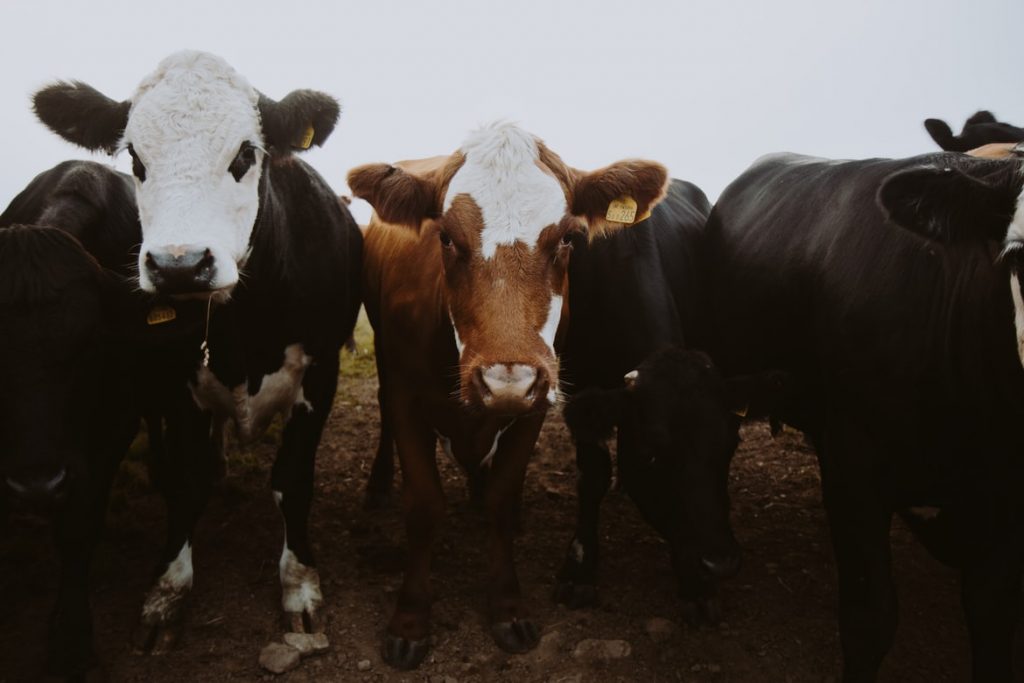
According to the CME, Feeder Cattle are weaned calves aged up to 9 months weighing between 600 and 800 pounds. Feeder Cattle futures mostly allow producers to hedge against a decline in the value of their calves between their birth and sale to feedlots.
Once cattle grow to between 1,200 and 1,500 pounds, they are classified as Live Cattle and can be sold by feedlots to meat packers. Live Cattle futures allow the feedlots and meat packers to hedge against rises or falls in price. Finally, a Lean Hog is a hog (pig) that is ready for processing.
The core of the Lean Hog futures contract is in the yield of lean meat from the carcass of a market-ready pig, which is typically around 150 pounds.
Livestock Trading Price Today
Factors Affecting Livestock Production
The factors affecting the markets used for livestock trading are too numerous to count but we have grouped them into 4 major areas: seasonality, the livestock cycle, supply factors and consumer demand.
Cattle traders should keep a close eye on the US Department of Agriculture’s (USDA) monthly “Cattle on Feed” report, which can have a significant impact on Live Cattle prices.
Similarly, Lean Hog traders should pay attention to the quarterly “Hogs and Pigs” report.
Seasonality
Cattle and hog markets experience regular rises and falls throughout the year, which can be capitalised on by those trading livestock. The change in prices can be driven by seasonal demand for meat. For instance, Live Cattle prices typically rise during the summer barbecue season. The price of Lean Hogs also increases around Christmas and Easter as families tuck into ham.
Other seasonal events affecting prices include calving and farrowing, when newborn animals enter the herds, typically in Spring. Lean Hog prices usually hit a low in September and October when corn (their main food source) is harvested.
Livestock Cycle
Livestock production moves in cycles of herd expansion and contraction, which can be used to predict price movements.
Cattle cycles are around a decade long, whereas hog cycles last roughly 4 years. During the expansion phase, farmers, in response to rising prices, increase the size of the herd by keeping their female animals.
This reduces supply and causes prices to go even higher. However, further down the line, the offspring of these extra females lead to an oversupply, pushing prices down.
As a result, farmers send more of their herd to market, once again causing a fall in prices, until an expansion phase begins again. The length of the expansion phase is linked to the time taken from birth for female animals to produce offspring.
The contraction phase, on the other hand, is mainly influenced by price movements. Speculators trading livestock futures and other related instruments can use these cyclical price movements to turn a profit.
Supply Factors
1. Weather
The physical development of livestock is affected by weather conditions. Cold, wet winters will reduce cattle weight gains and, in particularly bad cases, lead to a decline in population.
Conversely, unusually high temperatures during the summer will cause cows to eat less, reducing Feeder Cattle prices, in particular.
2. Grain Prices
The amount farmers pay for feed has a large influence on livestock prices. Investors trading livestock should pay attention to the price of commodities futures on the grain complex.
Rises in feed prices will mean that livestock is sent to market earlier and at lower weights. The Lean Hog Index is influenced heavily by the corn market, the main source of food for pigs. Feeder Cattle prices, on the other hand, are influenced by hay and corn prices.
3. Disease
Outbreaks of diseases like BME (mad cow disease) can send cattle prices tumbling.
Consumer Demand
Changes in population size, income and dietary habits will all influence the demand for meat-based foodstuffs.
The price of other similar products can also affect livestock markets: for example, consumers will buy less beef or pork if chicken becomes relatively cheaper.
Investors trading livestock may base their strategies on long-term trends, such as the decline of meat-eating by young people or the increasing demand for pork in China.
News stories, scientific studies and even individual advertising campaigns can also drive livestock prices up or down.
How To Trade Livestock
Futures
The traditional instrument used in livestock trading is futures contracts. A futures contract says that the buyer is obliged to purchase a set amount of the underlying asset (in this case, livestock) at a set time for a set price.
In the case of Live Cattle futures, the holder of the contract is also held responsible for the physical delivery of the commodity, meaning that they are liable to pay any handling and insurance costs. Most traders circumvent this rule by closing their position before the contract expires.
Lean Hog and Feeder Cattle futures, on the other hand, are settled in cash at expiration. Farmers, meat packers, feedlots and exporters all trade futures with speculators as a hedging strategy.
Many traders use futures for livestock trading due to their high liquidity.
Futures contracts usually come with a margin requirement. This is a financial guarantee paid by buyers and sellers of futures contracts to ensure that they fulfil their obligations. Margins are usually set at less than 10% of the value of the future. The money is held by the exchange until the position is closed.
Livestock trading with futures can only be done at certain times of the year and in set units. Schedule information for the CME is listed below. Many livestock traders use leverage to reduce the amount needed to open a position by borrowing money against the future price of the contract. Leveraged trading can significantly increase the potential return on investment but can also lead to large losses.
Lean Hogs
- Trade Units: 40,000 pounds
- Minimum Price Increment: USD 10
- Listed Months: February, April, May, June, August, October & December
Feeder Cattle
- Trade Units: 50,000 pounds
- Minimum Price Increment: USD 12.50
- Listed Months: January, March, April, May, August, September, October & November
Live Cattle
- Trade Units: 40,000 pounds
- Minimum Price Increment: USD 10
- Listed Months: February, April, June, October & December
Options
Trading livestock options is a popular way to speculate on the cattle and hog markets. Like futures, options allow industry participants to hedge against unfavourable price movements.
However, instead of locking in a certain purchase price, options contracts establish minimum and maximum prices for livestock futures, known as floor and ceiling prices.
Options are divided into two groups: call options and put options.
Call options allow the holder (often someone buying livestock, such as a meatpacker) to create a price ceiling by giving them the right but not the obligation to buy the livestock futures at a set time for a strike price.
If the price of the underlying futures contract is less than the strike price on expiry, the holder can buy the livestock future at that lower price. Traders that believe livestock prices will exceed the strike price on expiry can purchase call options, as they can profit from any price increases beyond the strike price.
Conversely, traders bearish about livestock trading prices will buy put options in the hope the price decreases. If the trader incorrectly predicts the price movements of the underlying livestock future, the option expires worthless and the trader loses the premium used to purchase the option.
Options are preferred to futures by many livestock traders for several reasons. Firstly, the buyers of livestock options gain additional leverage, since the premium payable is usually lower than the margin requirements for livestock futures.
Additionally, potential losses are limited to the initial premium (unlike leveraged futures trading, where even larger losses are possible).
However, options are subject to time decay since the value of options decreases as time passes.
CFDs
CFDs (Contracts For Difference) are derivative instruments used for livestock trading whereby the buyer pays the seller the difference between the initial price of the livestock and the price when the contract is closed.
However, the buyer of a CFD is not tied to the underlying asset, with no obligation to take delivery of some cattle.
CFDs can be used to assume both long and short positions on livestock markets. Many traders choose CFDs as they are straightforward, flexible and often require a smaller initial margin than futures.
ETFs
ETFs are investment “bundles” that track the price of an underlying stock or commodity. They can be bought and sold on stock exchanges, making them easy to trade. Many investors are turning to ETFs as they are less volatile than futures or CFDs and are good for diversification and hedging against downturns.
There are currently three ETFs used for livestock trading: the iPath Bloomberg Livestock Total Return (COW), the Livestock Total Return E-TRACS UBS Bloomberg Livestock Commodity Total Return (UBC) and the Return iPath Pure Beta Livestock ETN (LSTK-IV). These ETFs measure the performance of all three major livestock markets collectively.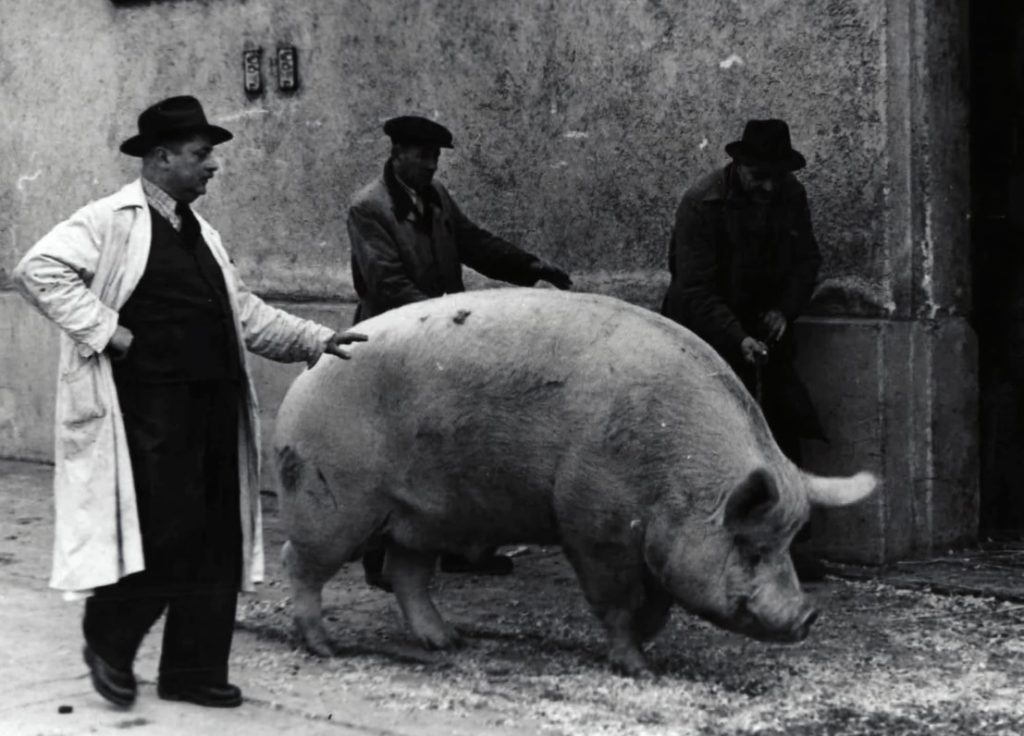
Pros Of Trading Livestock
Some of the benefits of livestock trading are:
- Many emerging markets have seen a growth in meat consumption
- Range of instruments (futures, options, CFDs, ETFs)
- Food markets can be used to hedge against inflation
- Cyclical livestock production trends
Cons Of Trading Livestock
There are some potential disadvantages to livestock trading, such as:
- Short-term volatility
- Futures can be expensive
How To Start Trading Livestock
Step 1: Deciding On A Livestock Trading Instrument
The most popular instrument used in livestock trading is the futures contract. While these allow investors to take ownership of the underlying commodity, many day traders consider futures overly complex and expensive, as they often require additional margin deposits to maintain a position if prices decline.
Options, on the other hand, allow livestock traders to increase the potential leverage on a position and control risk.
CFDs are another alternative, providing a simple way to speculate on livestock prices. Finally, for a more stable long-term style of trading, many prefer ETFs, which measure the overall performance of the livestock market.
Step 2: Choosing A Livestock Trading Platform
Several leading brokers, including eToro and CityIndex, offer livestock trading on their platforms. Factors to consider when choosing a broker include the spreads and fees they offer, the leverages available and their range of tradable livestock-based assets, as these will vary from site to site.
Many brokerages also offer more than one type of account aimed at different customers. Always make sure that any broker you sign up with is trustworthy as several fraudulent platforms are operating online. Things to look out for include regulation, adequate risk disclosure and a transparent pricing structure. We recommend that you also think about:
- Mobile apps
- Demo accounts
- Payment methods
- Customer support
- Minimum deposit requirements
Step 3: Creating A Livestock Trading Strategy
Feeder & Live Cattle
The prices of Live Cattle, Feeder Cattle and grain markets like corn are often intricately connected. Traders can exploit these correlations as part of a livestock trading strategy.
For instance, some traders purchase Live Cattle futures and sell futures in Feeder Cattle and corn. Imbalances between Live Cattle and Feeder Cattle can also be used to trade, as Feeder Cattle represent the future supply of Live Cattle. A disruption in the Feeder Cattle markets will therefore filter through to Live Cattle and vice versa.
Lean Hogs
The price of Lean Hogs is greatly affected by supply factors and seasonal demand fluctuations. Investors trading in Lean Hogs markets should pay close attention to the quarterly USDA “Hogs and Pigs” report, as this can often indicate which way the market will move.
In addition, the corn market, as the main food source for pigs, is linked to the price of Lean Hogs and traders will often capitalise on this relationship. Moreover, the Lean Hogs market typically sees price rises at Christmas, Easter and the summer, all of which can be used to form part of a successful strategy.
Step 4: Executing Your First Trade
Once you have chosen an asset and you have a livestock trading strategy in mind, it is time to execute your first trade.
Depending on how you believe the market will move, you need to assume a bullish (prices will rise) or bearish (prices will fall) position, which will dictate the CFD, option or future contract that you buy.
People day trading livestock need to keep an especially close eye on trades as livestock prices can change quickly. Be prepared to cut your losses: many new traders lose money by keeping positions open too long.
Trading Livestock Tips
Finally, here are some top tips for livestock trading:
- Keep a close eye on the grain markets (particularly corn) as this can have a knock-on effect on livestock prices
- Make sure that you have a sensible, rigorous risk-management strategy in place
- Study how the Feeder Cattle and Live Cattle markets affect each other
- Be aware of seasonal changes in the demand for meat-based products
- Pay attention to the USDA’s monthly and quarterly reports
Bottom Line
Livestock trading is one of the oldest forms of commodity speculation out there, existing in some form for more than ten thousand years. Today, it is done through mercantile commodity exchanges and online brokers across the world, using all manner of financial instruments.
Generally split into Feeder Cattle, Live Cattle and Lean Hogs, those interested in livestock trading can learn about production cycles, weather impacts and economic correlations to help develop their strategies. Check out our step-by-step guide above to get started.
FAQs
What Are The Livestock Trading Hours?
The majority of livestock trading is done through the CME, based in Chicago, which allows futures and options to be traded from 08:30 to 13:05 CT. Livestock futures contracts can only be closed out during certain months of the year, depending on the market.
Can Livestock Markets Be Used For Day Trading?
Day traders can certainly speculate on short-term price movements in the livestock markets. Many day traders opt for CFDs and options over more cumbersome futures contracts.
How Should I Choose A Broker For Livestock Trading?
When choosing a livestock trading platform, remember that there is no “one-size-fits-all” broker. Instead, different brokers will suit the needs of different traders. Do some research on the spreads, leverage rates, platforms and ranges of tradable livestock-based assets available to find the right online broker for you.
Is There A Livestock Trading App?
Several leading brokers that support online livestock trading, such as eToro, FxPro and forex.com, also have a mobile trading app that can be used for on-the-go account management and trade execution.
What Are The Livestock Trading Markets?
The three major livestock markets run by the CME are Lean Hogs, Feeder Cattle and Live Cattle.