



Coffee trading involves attempting to predict the enormously valuable global market and popular commodity. This 2026 guide aims to comprehensively outline the basics of the bean, from the factors affecting its price to the formula of a winning strategy. We will also look at some facts about coffee, how you can use the asset in day trading and some methods used by successful coffee traders. Below, you will find a list of our top recommended brokers for coffee trading.
Top Coffee Trading Brokers
These are the 6 best brokers for trading Coffee in Belgium:
-
- Demo account
- Platforms: MT4, MT5, TradingCentral
- Min. deposit: $5
76.15% of accounts lose money when trading CFDs with this provider. -
- Demo account
- Regulator: FMA, FSA
- Min. deposit: $0
-
- Demo account
- Platforms: eToro Web, CopyTrader, TradingCentral
- Min. deposit: $50
55% of retail CFD accounts lose money. eToro is a multi-asset investment platform. The value of your investments may go up or down. Your capital is at risk. -
- Demo account
- Platforms: xStation
- Min. deposit: $0
75% of accounts lose money when trading CFDs with this provider. -
- Demo account
- Regulator: FCA, ASIC, FSCA, VFSC, CIMA
- Min. deposit: $50
72.65% of accounts lose money when trading CFDs with this provider. -
- Demo account
- Regulator: ASIC, CySEC, JSC, FSA, CMA-Kenya
- Platforms: MT4, MT5




Learn how we test brokers and why you can trust our ratings.
Here is a short overview of each broker's pros and cons
- XM 4.8/5 XM is a globally recognized forex and CFD broker with 20+ million clients in 190+ countries. Since 2009, this trusted broker has been delivering low trading fees across its growing roster of 1000+ instruments. It also offers a comprehensive MetaTrader experience that we've observed firsthand placing test trades.
- BlackBull 4.5/5 BlackBull is a New Zealand-based CFD broker providing diverse trading opportunities on over 2,180 instruments. After undergoing a rebrand in 2023, it now sports a modern look and feel complete with professional-grade trading tools and ultra-fast execution speeds averaging 20ms.
- eToro 4.0/5 eToro is a top-rated multi-asset platform which offers trading services in thousands of CFDs, stocks and cryptoassets. Launched in 2007, the brand has millions of active traders globally and is authorized by tier one regulators, including the FCA and CySEC. The brand is particularly popular for its comprehensive social trading platform. Crypto investments are risky and may not suit retail investors. You could lose your entire investment. Understand the risks here. 55% of retail CFD accounts lose money.
- XTB 4.8/5 Founded in 2002 in Poland, XTB now serves more than 1 million clients. The forex and CFD broker combines a heavily regulated trading environment with an extensive selection of assets and a commitment to trader satisfaction, featuring an intuitive in-house platform with superb tools to support aspiring day traders.
- Vantage 4.3/5 Founded in 2009, Vantage offers trading on 1000+ short-term CFD products to millions of clients. You can trade Forex CFDs from 0.0 pips on the RAW account through TradingView, MT4 or MT5. Vantage is ASIC-regulated and client funds are segregated. Copy traders will also appreciate the range of social trading tools.
- Ingot Brokers 4.3/5 Ingot Brokers is a multi-regulated brokerage established in 2006. The broker offers CFD trading opportunities on 1000+ instruments including forex, stocks, indices, commodities and cryptocurrencies. The broker supports the MetaTrader 4 and MetaTrader 5 platforms and offers both raw spreads and commission-free account options.
Community Sentiment
See how users rate these brokers based on the average customer ratings submitted on DayTrading.com, plus ratings from Trustpilot, the Apple App Store and Google Play.
| Broker | Our Users' Rating | Trustpilot Score | Trustpilot Reviews | iOS App Rating | Android App Rating |
|---|---|---|---|---|---|
| XM | 3095 | ||||
| BlackBull | 3524 | ||||
| eToro | 32433 | ||||
| XTB | 3097 | ||||
| Vantage | 16119 | ||||
| Ingot Brokers | 57 |
XM
With a low $5 minimum deposit, advanced charting platforms in MT4 and MT5, expanding range of markets, and a Zero account offering spreads from 0.0, XM provides all the essentials for active traders.
 Christian Harris, Reviewer
XM quick facts
- Demo Account
- ✔Yes
- Instruments
- CFDs, Forex, Stocks, Commodities, Indices, Thematic Indices, Precious Metals, Energies
- Regulator
- CySEC, DFSA, FSCA, SCA, FSA, FSC-Belize, FSC-Mauritius, CMA-Kenya, CMA-UAE
- Platforms
- MT4, MT5, TradingCentral
- Minimum Deposit
- $5
- Minimum Trade
- 0.01 Lots
- Account Currencies
- USD, EUR, GBP, JPY, ZAR
Commodities
XM offers trading of 14 commodities:
- Cocoa
- Coffee
- Copper
- Corn
- Cotton
- Gold
- Natural Gas
- Oil
- Palladium
- Platinum
- Silver
- Soybeans
- Sugar
- Wheat
Pros
- XM secured a category 5 license from the Securities and Commodities Authority (SCA) of the United Arab Emirates in late 2025, strengthening its regulatory credentials and making it a strong option for traders in the Middle East.
- XM has rolled out platform upgrades with integrated TradingView charts and an XM AI assistant, delivering faster execution, smarter analysis, and a sleeker, more intuitive trading experience.
- XM’s Zero account is ideal for day trading with spreads from 0.0 pips, 99.35% of orders executed in <1 second, and no requotes or rejections.
Cons
- While the XM app stands out for its usability and exclusive copy trading products, the selection of technical analysis tools needs to be improved to meet the needs of advanced traders.
- Although trusted and generally well-regulated in some regions, XM also has global entities registered with the weak regulators like FSC (Belize) and FSA (Seychelles), whilst UK clients are no longer accepted, reducing its market reach.
- XM relies solely on the MetaTrader platforms for desktop trading, so there’s no in-house downloadable solution for a more beginner-friendly user experience with unique features.
BlackBull
After improving its trading infrastructure with Equinix servers in London, reducing latency for traders, BlackBull is an obvious choice if you want to day trade stock CFDs with ECN pricing. With competitive spreads and no commission on a growing roster of digital tokens paired with USD, BlackBull also works for active crypto traders.
Christian Harris, Reviewer
BlackBull quick facts
- Demo Account
- ✔Yes
- Instruments
- CFDs, Stocks, Indices, Commodities, Futures, Crypto
- Regulator
- FMA, FSA
- Platforms
- BlackBull Invest, BlackBull CopyTrader, MT4, MT5, cTrader, TradingView, AutoChartist
- Minimum Deposit
- $0
- Minimum Trade
- 0.01 Lots
- Account Currencies
- USD, EUR, GBP, CAD, AUD, NZD, JPY, ZAR, SGD
Commodities
BlackBull offers trading of 16 commodities:
- Aluminium
- Cocoa
- Coffee
- Copper
- Corn
- Gasoline
- Gold
- Lead
- Natural Gas
- Oil
- Palladium
- Platinum
- Silver
- Sugar
- Wheat
- Zinc
Pros
- After partnering with ZuluTrade and Myfxbook, alongside improvements to its own CopyTrader, and finally enabling cTrader Copy, BlackBull offers one of the most comprehensive copy trading experiences we've seen.
- With two ECN-powered accounts (Standard and Prime), plus Prime+ - an active trader rewards program offering trading rebates - BlackBull accommodates beginners through to high-volume active traders.
- BlackBull offers every ingredient for day traders; fast execution speeds of <100ms and tight spreads from 0.0 pips.
Cons
- Unlike most top brokers, BlackBull charges an irritating $5 withdrawal fee, which can detract from the overall cost-effectiveness, especially for active traders who frequently move funds.
- Despite a growing selection of 2,180+ assets, including additions to its Asia Pacific indices, they are mainly stocks with an average selection of currency pairs and indices.
- Although the Education Hub now features improvements like webinars and tutorials, the courses we’ve explored need more focus on explaining the wider economic factors influencing prices.
eToro
eToro's social trading platform leads the pack with a terrific user experience and active community chat that can help beginners find opportunities. There are also competitive fees on thousands of CFDs and real stocks, plus excellent rewards for experienced strategy providers.
Christian Harris, Reviewer
eToro quick facts
- Demo Account
- ✔Yes
- Instruments
- CFDs, Forex, Stocks, Indices, ETFs, Smart Portfolios, Commodities, Futures, Crypto, NFTs
- Regulator
- FCA, CySEC, MiCA, MFSA, FSRA, ASIC, FSAS, MAS, GFSC
- Platforms
- eToro Web, CopyTrader, TradingCentral
- Minimum Deposit
- $50
- Minimum Trade
- $10
- Account Currencies
- USD, EUR, GBP, AUD, DKK
Commodities
eToro offers trading of 27 commodities:
- Aluminium
- Cannabis
- Cattle
- Cocoa
- Coffee
- Copper
- Corn
- Cotton
- Gasoline
- Gold
- Iron
- Lead
- Lean Hogs
- Lithium
- Livestock
- Natural Gas
- Nickel
- Oil
- Orange Juice
- Palladium
- Platinum
- Precious Metals
- Silver
- Soybeans
- Sugar
- Wheat
- Zinc
Pros
- July 2026 brought welcome upgrades, notably eToro Edge with a charting package that will meet the demands of active day traders, plus AI agent trading through Tori.
- There's a comprehensive online training academy with accessible resources, from bitesize articles to comprehensive courses.
- Charts are powered by TradingView and offer strong technical analysis features, including 9 chart types and over 100 indicators.
Cons
- The lack of additional charting platforms like MT4 will reduce the appeal for seasoned day traders accustomed to using third-party software.
- There are no guaranteed stop loss orders which would be a useful risk management feature for beginners.
- There are limited contact methods aside from the in-platform live chat.
XTB
XTB stands out as a top choice for new day traders with the terrific xStation platform, low trading costs, no minimum deposit, and excellent educational tools, many of which are seamlessly integrated into the platform.
Christian Harris, Reviewer
XTB quick facts
- Demo Account
- ✔Yes
- Instruments
- CFDs on shares, Indices, ETFs, Raw Materials, Forex currencies, cryptocurrencies, Real shares, Real ETFs
- Regulator
- FCA, CySEC, KNF, DFSA, FSC, SCA, CMF, Bappebti
- Platforms
- xStation
- Minimum Deposit
- $0
- Minimum Trade
- 0.01 Lots
- Account Currencies
- USD, EUR, GBP
Commodities
XTB offers trading of 22 commodities:
- Aluminium
- Cattle
- Cocoa
- Coffee
- Copper
- Corn
- Cotton
- Gasoline
- Gold
- Lean Hogs
- Livestock
- Natural Gas
- Nickel
- Oil
- Palladium
- Platinum
- Precious Metals
- Silver
- Soybeans
- Sugar
- Wheat
- Zinc
Pros
- The xStation platform continues to impress with its user-friendly interface and intuitive features, including customizable news feeds, sentiment heatmaps, and trader calculator, reducing the learning curve for newer traders.
- With an excellent range of educational materials, including training videos and articles integrated into the platform, XTB supports traders at all levels.
- XTB has boosted its interest rate on uninvested balances and added zero-fee ISAs (On ETFs and real shares, or 0.2% with transactions over €100k) for UK clients with a huge range of markets available.
Cons
- Not being able to adjust the default leverage level of XTB products is frustrating, as manual adjustment can significantly mitigate trade risk, especially in forex and CFD trading.
- The research tools at XTB are good but could be great if they went beyond in-house features with access to leading third-party tools such as Autochartist, Trading Central and TipRanks.
- XTB does not offer a raw spread account, which is becoming increasingly common among competitors like Pepperstone, and may disappoint day traders looking for the tightest spreads.
Vantage
Vantage remains an excellent option for CFD traders seeking a tightly-regulated broker with access to the reliable MetaTrader platforms. The fast sign-up process and $50 minimum deposit make it very straightforward to start day trading quickly.
 Jemma Grist, Reviewer
Vantage quick facts
- Demo Account
- ✔Yes
- Instruments
- CFDs, Forex, Stocks, Indices, Commodities, ETFs, Bonds
- Regulator
- FCA, ASIC, FSCA, VFSC, CIMA
- Platforms
- ProTrader, MT4, MT5, TradingView, TradingCentral, DupliTrade
- Minimum Deposit
- $50
- Minimum Trade
- 0.01 Lots
- Account Currencies
- USD, EUR, GBP, CAD, AUD, NZD, JPY, HKD, SGD, PLN
Commodities
Vantage offers trading of 14 commodities:
- Cocoa
- Coffee
- Copper
- Cotton
- Gasoline
- Gold
- Natural Gas
- Oil
- Orange Juice
- Palladium
- Platinum
- Silver
- Sugar
- Wheat
Pros
- It’s quick and easy to open a live account – taking less than 5 minutes
- Vantage has bolstered its algorithmic trading tools for advanced traders with AutoFibo EA identifying reversal opportunities
- There are no short-term strategy restrictions with hedging and scalping permitted
Cons
- It's a shame that some clients will need to register with the offshore entity, which offers less regulatory protection
- A steep $10,000 deposit is needed for the best trading conditions, which include the $1.50 commission per side
- The average execution speeds of 100ms to 250ms are slower than alternatives based on tests
Ingot Brokers
Ingot Brokers is a good choice for day traders looking for a no-frills broker with a wide range of instruments. Experienced traders will appreciate access to the advanced MT5 platform, although beginners may be disappointed in the lack of educational resources.
 William Berg, Reviewer
Ingot Brokers quick facts
- Demo Account
- ✔Yes
- Instruments
- CFDs, Commodities, Stocks, Indices, ETFs, Forex, Cryptocurrencies
- Regulator
- ASIC, CySEC, JSC, FSA, CMA-Kenya
- Platforms
- MT4, MT5
- Minimum Deposit
- $10
- Minimum Trade
- 0.01 Lots
- Account Currencies
- USD, EUR, GBP, AUD
Commodities
Ingot Brokers offers trading of 11 commodities:
- Cocoa
- Coffee
- Corn
- Gold
- Natural Gas
- Oil
- Platinum
- Silver
- Soybeans
- Sugar
- Wheat
Pros
- Multiple free payment methods are available, including bank transfers and crypto payments
- Ingot Brokers offers a copy trading service with passive income opportunities for experienced strategy providers
- Traders can access the market-leading MT4 and MT5 platforms, collectively offering dozens of advanced technical indicators and charting tools for detailed analysis
Cons
- The range of 30+ currency pairs is below the industry average and won’t be sufficient for serious forex traders
- The ECN account offers fewer assets than the other account types
- Despite improvements in the Resources Hub, the broker’s education and market research still trail many competitors
What Is Coffee Trading?
People all over the world love to drink coffee – collectively, we get through over 2.25 billion cups of the stuff every day. The enduring enthusiasm for the coffee bean has made it a highly valuable and widely-traded commodity, worth more than $100 billion annually.
The most commonly used financial instruments used for coffee trading are futures and options contracts, which allow you to speculate on coffee’s future price movements. Coffee ETFs (exchange-traded funds) are also becoming increasingly popular.
Coffee is grown in subtropical climates across Latin America, Asia and Africa. Brazil is the undisputed king of the coffee-exporting countries, producing 35% of the global annual crop. Other major coffee-growing nations include Vietnam, Colombia and Indonesia.
Beans are typically sent to countries in North America and Europe, as well as Asian countries like Japan and South Korea. It is estimated that over 1.7 million people in the US alone are employed in a coffee-related industry, accounting for 1.6% of the country’s total GDP.
There are two different varieties of coffee: Arabica and Robusta. Arabica is considered the premium bean thanks to its richer, sweeter flavour, accounting for 30% of total coffee production. Robusta, on the other hand, is bitter but more caffeinated.
However, it is often Robusta that fetches higher prices due to demand from global coffee brands like Nestle’s Nescafe. Change in demand from big companies also makes Robusta markets more volatile than Arabica.
Coffee Trading History
According to Ethiopian legend, coffee was discovered by the herdsman Kaldi when, upon eating the famous beans, his flock of goats became unable to sleep at night.
The accuracy of this story is a matter of debate but it is known for certain that people were drinking and trading coffee in Arabia as early as the 15th century.
Coffee houses were a cornerstone of medieval Muslim social circles, providing a space where people could go to catch up on news, play chess and listen to music.
The popularity of coffee and coffee houses had spread to Europe by the 17th century, despite the drink being initially labelled as a “bitter invention of Satan”.
These early cafés offered merchants a place to discuss trade, with some (such as Lloyds of London) going on to become financial firms.
Due to the demand for coffee in Europe, coffee plantations were established in the New World and elsewhere. To this day, coffee remains a globally important export product and is the second-most widely traded commodity after oil.
Today’s Coffee Trading Price
What Influences The Price Of Coffee?
Below, we have broken down the factors affecting coffee prices into six key areas:
1. Climate
Coffee production is highly dependent on the growing conditions, which in turn affects how the markets behave. A particularly bad year can push prices sky-high. In 1977, coffee prices hit 339.86 cents when Brazil experienced a devastating frost. Just two years earlier, the price had been 45 cents.
2. Distribution Costs
With some distance between the leading coffee importers and exporters, transport costs can have a large knock-on effect on prices: the higher the cost of transportation, the higher the price of coffee. Transport costs are heavily linked to oil prices, so investors trading coffee futures should always keep an eye on the energies markets.
3. Geopolitics
Coffee is often grown in regions that are prone to geopolitical instability (such as Ethiopia, Colombia, or Mexico). Civil unrest can disrupt the coffee harvest and the supply chains, increasing scarcity and pushing prices up.
4. Consumer Habits
Demand for coffee in the wealthy importing nations can fluctuate based on the season, the state of the economy or fashion. Coffee, like other hot beverages, is consumed less frequently in the summer months, resulting in a fall in coffee trading prices.
Consumers also tend to buy less coffee in times of economic slowdown and high unemployment. Occasionally, the debate surrounding the health impact of coffee can push consumption up or down, leading to a rise or fall in the market.
5. Strength Of The Dollar
As with any commodity priced in dollars, a rise or fall in the value of USD will have a knock-on effect on coffee prices.
How To Trade Coffee
Futures
Trading coffee is commonly done through futures contracts, wherein two parties (the buyer and the seller) agree to exchange an amount of coffee at a set date and price.
Futures are often used by coffee producers and consumers as a hedging strategy. Conversely, they are also traded by speculators looking to benefit from favourable price movements: if the future delivery price is greater than the current spot price, the contract is more valuable.
Coffee futures are preferred by many because of their high liquidity and volatility.
The New York Mercantile Exchange (NYMEX), NYSE Euronext, Tokyo Grain Exchange (TGE) and the Intercontinental Exchange (ICE) facilitate trading with coffee futures.
The standard lot size on the Euronext is 10 tons, which may trade upwards of 1,500 USD per ton. The total value of the futures contract is therefore 15,000 USD.
However, futures traders often use leverage to borrow money against the future price of the asset, reducing the deposit needed to open a position. Leveraged trading can produce large returns but may also magnify losses.
Coffee trading futures contracts sometimes come with an expectation that the physical commodity will be delivered. This means that the holder of the contract is responsible for covering any storage, handling and insurance costs when it expires. However, most futures contracts are traded out before expiration.
CFDs
A popular method of speculating on coffee’s price movements is by trading coffee CFDs.
CFDs function in a similar way to futures: the buyer must pay the seller the difference between the current price of the underlying asset (in this case coffee) and its price when the contract expires.
However, the trader is not tied to the actual commodity. Many prefer the convenience of coffee CFDs over futures. Several leading online brokers offer coffee trading CFDs on their platforms.
Trading coffee CFDs allows the buyer to assume both long and short positions, depending on whether they think the price of coffee will rise or fall by the time the contract ends.
Like futures, CFDs come with a large degree of risk, particularly in the volatile coffee markets. Many experienced traders use leverage to increase the size of their position, though this also increases risk.
ETFs
ETFs are an increasingly popular instrument used for trading coffee. These securities track price changes in an underlying asset (in this case coffee) but can be bought and sold on a stock exchange. Many investors use ETFs as they are easy to trade and generally less volatile than futures or CFDs. Coffee ETFs are also great for diversifying a portfolio and hedging against downturns.
One of the popular instruments used for trading coffee is the JO ETN (iPath Dow Jones-UBS Coffee Subindex Total Return ETN). This ETF has been designed to reflect the performance of the Dow Jones coffee index and is the largest and most liquid coffee ETF.
Options
Another type of instrument used for trading coffee is options contracts, usually based on coffee futures. The holder of a coffee option has the right (but not the obligation) to take delivery of the coffee or cash settlement at expiry. Coffee options are used by some traders to limit losses as it is impossible to lose more than the initial premium paid to open the position. Options often also allow traders to take on additional leverage compared to futures.
Pros Of Coffee Trading
- High volatility
- High liquidity
- Range of instruments available
- Leveraged instruments available
- Second-most popular commodity by volume
- ETFs for more stable long-term investments
- Fundamental and technical analysis opportunities
Cons Of Coffee Trading
- Can be risky
- Futures can be expensive for retail clients
How To Start Trading Coffee
Step 1: Choosing A Coffee Trading Instrument
Different coffee-based instruments suit the needs of different traders. Coffee futures are the traditional method but are often too expensive and complex for many retail clients, who may prefer to use CFDs or options.
These assets are risky, however, and should be traded carefully, especially when leverage is used. Traders that want a safer long-term investment might consider coffee ETFs, which are designed to track the overall performance of the coffee market. As a widely-traded commodity, coffee futures, CFDs and options markets tend to be highly liquid.
Step 2: Selecting A Coffee Trading Broker
Several leading brokers support the popular commodity. In the world of online trading, there are more than a few fraudulent firms: it is well worth doing a detailed background check to ensure that a broker is trustworthy and regulated.
You should also compare the asset ranges and leverage rates offered. The main factors we recommend you consider when choosing a coffee trading platform are listed below. Alternatively, check out our full broker comparison guide:
- Mobile apps
- Leverage rates
- Customer support
- Payment methods
- Spreads and commissions
- Range of coffee instruments
Step 3: Trading Coffee Strategies
Below are two basic strategies for trading coffee:
Trading Coffee Using Volatility
Many traders aim to capitalise on coffee’s volatile short-term price movements. This strategy involves large risks but the rewards balance that.
Day trading coffee requires close monitoring of the relevant charts and careful position execution. Common instruments used in this style of trading coffee are CFDs, options and futures.
An important indicator used in coffee volatility trading is the Bollinger Band – when this contracts, a sharp rise in volatility is likely to occur. Many traders wait for breakouts in the Bollinger band, which may indicate a strong movement in price action.
Trading coffee using volatility and leverage requires a strict risk management method and you must be prepared to cut your losses promptly and exit your positions when target objectives are met.
Trading Coffee By Trend Following
By monitoring any of the myriad factors affecting the coffee trading market, investors can speculate on coffee’s long-term price movements.
Factors like the price of crude oil and weather conditions in coffee-growing regions can cause prices to rise and fall quickly, so traders need to be hyper-aware of relevant news.
Prices also tend to fluctuate throughout the year as seasonal demand varies. Once a trend has been identified, moving averages or indicators like the MACD can be used to create buy and sell signals.
At the end of most trends, the market enters a consolidation period, remaining relatively stable. At this point, many traders use support and resistance levels to decide when to open and close positions as the price oscillates up and down.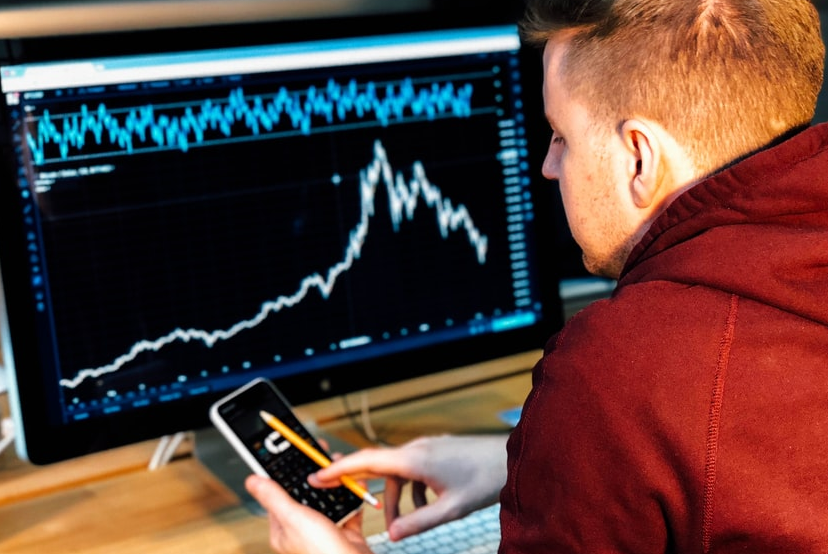
Step 4: Executing Your First Coffee Trade
Once you have decided on a strategy for your coffee trading, it is time to enter the market. Depending on the information available, decide whether you think prices will rise or fall and take a bullish or bearish position accordingly. It is important to monitor your trades closely as coffee prices can soon change. Be prepared to cut your losses: many new traders lose money by keeping positions open too long.
Top Tips For Coffee Trading
Finally, here are some helpful suggestions to help you trade coffee successfully:
- Diversify your portfolio by buying stocks in leading coffee companies like Starbucks or Kraft
- Pay attention to the weather conditions in coffee-producing nations, particularly Brazil
- Make note of oil prices, as this could increase the cost of coffee transportation
- Have a robust risk-management strategy – coffee markets can be volatile
- Monitor the activity of the large coffee-buying firms
Final Word On Coffee Trading
Coffee is a highly liquid but volatile global commodity that is heavily affected by weather, seasonality and the production of the beans, alongside other assets like oil and the USD. Popular instruments used to speculate on the price of coffee are futures, options and CFDs for short-term trading and stocks, ETFs and indices for longer-term investments.
Check out our guide and top tips above to get started with a broker for coffee trading and take your first position.
FAQs
What Brokers Can I Use For Coffee Trading?
Most major brokers support coffee trading, including AvaTrade, eToro and Plus500. The range of coffee-based derivatives will vary from site to site, so make sure there is one that suits you. Check out our full list of recommended firms here.
What Factors Affect The Price Of Coffee?
The key factors controlling the price movements of coffee beans include weather conditions in coffee-producing nations, oil prices and demand from the large coffee importers.
Should I Use A Coffee Trading Strategy?
Coffee is a volatile asset, without a good trading and risk-management strategy many traders will lose out financially.
Should I Use Options Or Futures For Trading Coffee?
Some traders prefer futures as they allow you to take ownership of the underlying commodity. However, futures contracts can be expensive compared to options, which also limit the maximum potential losses.
Should I Use The Arabica Or Robusta Market For Coffee Trading?
The Robusta markets tend to be the more volatile of the two types of coffee beans, offering higher risks but also higher rewards.