Pepperstone Expands With Five New Global Licenses



Published on: Jan 21, 2021
After a decade in operation, award-winning forex and CFD broker, Pepperstone, has expanded into five additional jurisdictions around the world.

Pepperstone was established in Australia in 2010 and is now one of the largest MetaTrader brokers in the world. The broker has received multiple awards for customer service and competitive spreads, most recently securing a double win at the Professional Trader Awards 2020.
Such success has seen the company more than double in size over the last two years and has now expanded into vibrant new markets in Germany, Cyprus, Dubai, Kenya and the Bahamas. The additional licenses with BaFin, CySec, DFSA, CMA and SCB, bring the broker’s total number of licenses up to seven.
Pepperstone’s expansion into Europe has been particularly exciting ahead of Brexit, as Cyprus and Germany are both European Union members, and brokers licensed by any membership country must adhere to both national law and applicable European Union trader protection rules.
The broker has reassured clients that they have no plans for slowing and will continue to deliver the best quality pricing, speed and service. If you want to start trading with Pepperstone, head to the website to find out more about the broker’s range of assets and services on offer.
Trading With Pepperstone
Pepperstone was established in 2010 in Melbourne, Australia. Over the last 10 years, the broker has gained over 89,000 clients globally, with offices in London, Limassol, Düsseldorf, Melbourne, Dubai and Nairobi.
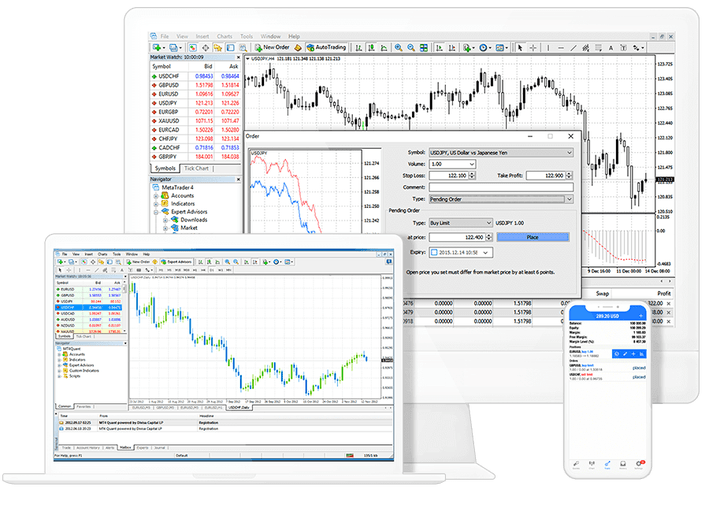
The broker offers over 180 trading instruments across forex, commodities, indices and shares, with three platforms on offer, including MetaTrader 4 and cTrader. Clients can also access award-winning 24/5 customer support, fee-free funding methods and spreads from 0.0 pips.
Pepperstone is regulated in multiple jurisdictions by the Australian Securities and Investments Commission (ASIC), the UK Financial Conduct Authority (FCA), the Cyprus Securities and Exchange Commission (CySec), the Dubai Financial Services Authority (DFSA), the Capital Markets Authority of Kenya (CMA) and the Securities Commission of the Bahamas (SCB).