




Brokers regulated by the Monetary Authority of Singapore (MAS) must facilitate a robust trading environment for local traders in line with regulations. As well as listing the top trading brokers authorized by the MAS, this guide will cover the financial body’s objectives, powers and protections for retail traders.
Best MAS Brokers
These 5 brokers are the best options for traders from Singapore with authorized firms required to abide by various safety standards:
-
- Demo account
- Platforms: eToro Web, CopyTrader, TradingCentral
- Min. deposit: $50
61% of retail CFD accounts lose money. eToro is a multi-asset investment platform. The value of your investments may go up or down. Your capital is at risk. -
- Demo account
- Platforms: WebTrader, App
- Min. deposit: $100
81% of retail CFD accounts lose money. -
- Demo account
- Min. deposit: $0
- Min. trade: 0.01 Lots
-
- Demo account
- Instruments: Stocks, Options, ETFs, ADRs, OTCs
- Regulator: SEC, FINRA, MAS, SFC, ASIC, CIRO, JFSA, SC
-
- Regulator: CSSF, CBI, CySEC, BaFin, MAS, OSC, ASIC, BMA
- Min. deposit: $0
- Min. trade: $2




Learn how we test brokers and why you can trust our ratings.
This is why we think these brokers are the best in this category in 2026:
- eToro 4.0/5 eToro is a top-rated multi-asset platform which offers trading services in thousands of CFDs, stocks and cryptoassets. Launched in 2007, the brand has millions of active traders globally and is authorized by tier one regulators, including the FCA and CySEC. The brand is particularly popular for its comprehensive social trading platform. Crypto investments are risky and may not suit retail investors. You could lose your entire investment. Understand the risks here. 61% of retail CFD accounts lose money.
- Plus500 4.1/5 Established in 2008 and headquartered in Israel, Plus500 is a prominent brokerage that boasts over 25 million registered traders in over 50 countries. Specializing in CFD trading, the company offers an intuitive, proprietary platform and mobile app. It maintains competitive spreads and does not charge commissions or deposit or withdrawal fees. Plus500 also continues to shine as one of the most trusted brokers with licenses from reputable regulators, including the FCA, ASIC and CySEC.
- IG 4.5/5 Founded in 1974, IG is part of IG Group Holdings Plc, a publicly traded (LSE: IGG) brokerage. The brand offers a top-tier selection of 17,000+ markets, with a range of user-friendly platforms and investing apps. For 50 years, IG has maintained its position as an industry leader, excelling in all key areas for traders.
- Moomoo 3.2/5 Moomoo is an SEC-regulated app-based investment platform that offers a straightforward and affordable way to invest in Chinese, Hong Kong, Singaporean, Australian and US stocks, ETFs and other assets. Margin trading is available and the brand offers a zero-deposit account as well as several bonuses.
- Coinbase 3.5/5 Launched in 2012 as a platform enabling users to buy and sell Bitcoin via bank transfers, Coinbase has emerged as a crypto behemoth, expanding its services to include 240+ crypto assets, developing sophisticated trading platforms for retail investors, listing on the US Nasdaq, and securing licenses with multiple regulators. In May 2025, Coinbase also became the first crypto company to join the S&P 500, a milestone that enhances its reputation..
Community Sentiment
See how users rate these brokers based on the average customer ratings submitted on DayTrading.com, plus ratings from Trustpilot, the Apple App Store and Google Play.
| Broker | Our Users' Rating | Trustpilot Score | Trustpilot Reviews | iOS App Rating | Android App Rating |
|---|---|---|---|---|---|
| eToro | 32292 | ||||
| Plus500 | 20198 | ||||
| IG | 10246 | ||||
| Moomoo | 735 | ||||
| Coinbase | 23305 |
eToro
eToro's social trading platform leads the pack with a terrific user experience and active community chat that can help beginners find opportunities. There are also competitive fees on thousands of CFDs and real stocks, plus excellent rewards for experienced strategy providers.
 Christian Harris, Reviewer
eToro quick facts
- Demo Account
- ✔Yes
- Instruments
- CFDs, Forex, Stocks, Indices, ETFs, Smart Portfolios, Commodities, Futures, Crypto, NFTs
- Regulator
- FCA, CySEC, MiCA, MFSA, FSRA, ASIC, FSAS, MAS, GFSC
- Platforms
- eToro Web, CopyTrader, TradingCentral
- Minimum Deposit
- $50
- Minimum Trade
- $10
- Account Currencies
- USD, EUR, GBP, AUD, DKK
Pros
- eToro picked up second place in DayTrading.com's 'Best Crypto Broker' for 2025 with its huge range of tokens, reliable service and competitive fees.
- In 2025, eToro stopped including all crypto trading fees within the spread - instead, the same commission is now charged separately and shown as a clear line item, giving active traders more transparency without increasing overall costs.
- Charts are powered by TradingView and offer strong technical analysis features, including 9 chart types and over 100 indicators.
Cons
- The lack of additional charting platforms like MT4 will reduce the appeal for seasoned day traders accustomed to using third-party software.
- There are no guaranteed stop loss orders which would be a useful risk management feature for beginners.
- There are limited contact methods aside from the in-platform live chat.
Plus500
Plus500 offers a super-clean experience for traders with a CFD trading platform that sports a modern design and dynamic charting. That said, the broker’s research tools are limited, fees trail the cheapest brokers, and there’s room for enhancement in its educational resources.
Christian Harris, Reviewer
Plus500 quick facts
- Demo Account
- ✔Yes
- Instruments
- CFDs on Forex, Stocks, Indices, Commodities, ETFs, Options, Crypto
- Regulator
- FCA, CySEC, EFSA, ASIC, FMA, FSCA, MAS, ISA, FSA, DFSA, SCA, JFSA, SCB, CIRO, BAPPEBTI, OJK, BI
- Platforms
- WebTrader, App
- Minimum Deposit
- $100
- Minimum Trade
- Variable
- Account Currencies
- USD, EUR, GBP, AUD, ZAR, CZK
Pros
- Plus500 has bolstered its suite of short-term trading products, including introducing VIX options with enhanced volatility and extended 24/5 hours trading on select stock and ETF CFDs, including SpaceX
- The broker offers low commission trading on a diverse range of markets, minimizing additional fees while appealing to established traders
- The customer support team continue to provide reliable 24/7 support via email, live chat and WhatsApp
Cons
- Algo trading and scalping are not supported, which may deter some day traders
- Educational resources are limited compared to best-in-class brokers like eToro, impacting the learning curve for beginners
- Compared to some competitors, especially IG, Plus500’s research and analysis tools are limited
IG
IG continues to provide a comprehensive package with an intuitive web platform, best-in-class education for beginners, advanced charting tools bolstered by its recent TradingView integration, real-time data, and robust trade execution for experienced day traders.
Christian Harris, Reviewer
IG quick facts
- Demo Account
- ✔Yes
- Instruments
- CFDs (not in US), Forex, Stocks, Indices, Commodities, ETFs, Futures, Options, Crypto, Spread Betting (UK only)
- Regulator
- CFTC, NFA, FCA, BaFin, ASIC, FINMA, MAS, JFSA, FMA, DFSA, BMA, CONSOB
- Platforms
- Web, L2 Dealer, MT4, TradingView, AutoChartist, TradingCentral, ProRealTime
- Minimum Deposit
- $0
- Minimum Trade
- 0.01 Lots
- Account Currencies
- USD, EUR, GBP, CAD, AUD, JPY, ZAR, SEK, DKK, CHF, HKD, SGD
Pros
- As a well-established broker, IG operates under strict regulatory guidelines in multiple jurisdictions, maintaining a high level of trust.
- IG is amongst the best in terms of its range of instruments, which includes stocks, forex, indices, commodities, and cryptocurrencies, plus added US-listed futures and options as well as an AI Index, providing diversification opportunities.
- The IG app offers a superb mobile trading experience with a clean design that helped it secure Runner Up at our 'Best Trading App' award.
Cons
- Beginners might find IG’s fee structure complex, with various fees for different types of trades or services, potentially leading to confusion or unexpected charges.
- IG has discontinued its swap-free account, reducing its appeal to Islamic traders.
- IG applies an inactivity fee of $12-$18 per month after 2 years, deterring casual investors.
Moomoo
Moomoo remains an excellent choice for new and intermediate stock traders who want to build a diverse investment portfolio. What really stands out is the broker's user-friendly app and the low trading fees.
 Jemma Grist, Reviewer
Moomoo quick facts
- Demo Account
- ✔Yes
- Instruments
- Stocks, Options, ETFs, ADRs, OTCs
- Regulator
- SEC, FINRA, MAS, SFC, ASIC, CIRO, JFSA, SC
- Platforms
- Desktop Platform, Mobile App
- Minimum Deposit
- $0
- Minimum Trade
- $0
- Account Currencies
- USD, CAD, AUD, JPY, MYR, HKD, SGD, CNY
Pros
- Moomoo is a Member of FINRA and the Securities Investor Protection Corporation (SIPC), adding another level of security for prospective clients
- There are reduced options contract fees from $0.65 to $0
- The Moomoo AI assistant, found in the desktop software and app, provides genuinely useful market insights to inform active traders
Cons
- The account range is narrow compared to other brokerages in its class with no managed portfolios or robo-advisor solutions
- Moomoo has faced multiple regulatory penalties in recent years, including fines and orders in 2026 that stopped it temporarily accepting some Japanese and Chinese clients
- There is no negative balance protection, which is a common safety feature at top-tier-regulated brokers
Coinbase
Coinbase is ideal for beginners looking for an intuitive platform to buy and sell a wide variety of cryptocurrencies, with robust security and regulatory compliance. However, its fees are higher compared to competitors in our tests, and it’s not as tailored for short-term traders.
Christian Harris, Reviewer
Coinbase quick facts
- Demo Account
- ✘No
- Instruments
- Crypto, Stocks, ETFs (US only), Pre-IPO Perpetual Futures (non-US), Tokenized Stocks
- Regulator
- CSSF, CBI, CySEC, BaFin, MAS, OSC, ASIC, BMA
- Platforms
- Coinbase, Advanced Trade, Wallet, NFT, TradingView
- Minimum Deposit
- $0
- Minimum Trade
- $2
- Account Currencies
- USD, EUR
Pros
- Some users can secure a credit card by using their stablecoins (USDC) as collateral, with up to 4% paid back in Bitcoin.
- Coinbase offers a suite of AI-powered trading tools, from the in-app AI investment advisor known as Coinbase Advisor to Coinbase for Agents, which connects client accounts to AI models like ChatGPT to automatically execute positions and manage transfers in line with pre-configured limits.
- Coinbase has teamed up with Chainlink DataLink so now premium exchange data, including spot prices, order books, and futures data, is accessible on-chain, enabling better DeFi pricing and risk management.
Cons
- Received regulatory enforcement actions, including the CBI fining Coinbase Europe Limited €21.46M in November 2025 for AML and CFT failures relating to 30M+ transactions being unmonitored.
- Frustrating customer support during testing, with most help options hidden behind login, making it tough for locked-out users or non-account holders to get assistance.
- High crypto fees based on tests, especially compared to competitors like Kraken and BitMEX, and notably on the standard dealing platform.
What Is The Monetary Authority of Singapore?
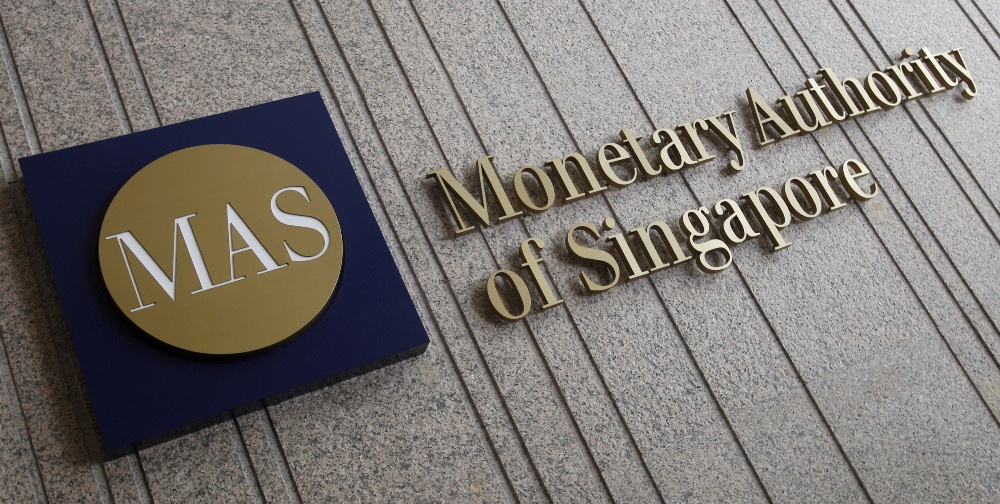
The Monetary Authority of Singapore (MAS) is the financial regulatory authority of Singapore. It deals with activities pertaining to banking, insurance, securities, money and the overall financial sector. In addition to this, it controls currency issuance and control of foreign exchange rates for USD to SGD exchanges.
The address of its headquarters is at 10 Shenton Way, MAS Building, Singapore. It also has locations around the world, including an office in London and an office in New York.
According to its website, the mission and vision of the MAS are to “promote sustained and non-inflationary economic growth, and a sound and progressive financial services sector”. To achieve this, the MAS develops strategic plans and aims to:
- Conduct exchange rate policy
- Manage official foreign reserves
- Regulate and supervise the financial sector
- Work with the industry to develop Singapore as an international financial centre
The MAS has also managed and administered a series of measures to help achieve its mission, including:
- The Currency Act and legal tender in Singapore
- Dispute resolution schemes regulations (2007)
- Anti-terrorism measures regulations (2002)
- Payment services act (2019)
The Monetary Authority of Singapore has created a set of objectives and desired outcomes:
- Stable financial system
- Safe and sound intermediaries
- Safe and efficient infrastructure
- Fair, efficient and transparent markets
- Well-informed and empowered customers
- Transparent and fair-dealing intermediaries
History
The Monetary Authority of Singapore was established in 1971. Before this, all monetary functions were conducted by government departments, mainly the Board of Commissioners and Currency. In 1970, Singapore’s parliament passed the Monetary Authority of Singapore Act which led to the establishment of the MAS on January 1st, 1971. This was in response to an increasingly complex monetary environment. The act gave the MAS the power to regulate all aspects of finance in Singapore.
Structure
The Monetary Authority of Singapore’s organisational chart can be found on its website. MAS’s day-to-day head is its managing director, Mr Ravi Menon, who is effectively the CEO. He sits atop of the hierarchy, and beneath him is Keith Chnioh and a management team who deal with specific aspects of the MAS.
This includes head of corporate development – Jacqueline Loh, international development head – Andrew Khoo, and head of cyber security and hygiene – Tan Yeow Seng. Team members deal with anything from press releases and news events, to writing the latest prospectus.
The Monetary Authority of Singapore has had a number of notable employees who have had successful careers. These include names such as Chua Kim Leng, Valerie Tay and Lee Yuan Siong.
Responsibilities & Powers
The Monetary Authority of Singapore has many responsibilities, including:
Guidelines & Rules
To provide a safe financial environment both for customers and for financial service providers, the MAS issues guidelines on a variety of subjects, such as individual accountability and conduct, environmental risk management, business continuity management, ESG, technology risk management and outsourcing guidelines.
Public Information
As a government body, the Monetary Authority of Singapore is required to release information to the public. This includes financial statements, such as annual (and quarterly) reports, balance sheets and financial stability reports. It releases reports on its assets under management (AUM), including net profit. It also provides an investor alert list to warn customers of unregulated persons, such as Jardin Smith.
In the same vein, the Monetary Authority of Singapore provides a register of all licensed representatives. The public can conduct an entity license search to check which trading brokers and institutions are regulated by the MAS.
Licensing
Legitimate and trusted online brokers will always aim to become licensed by the Monetary Authority of Singapore. Brokers from Singapore, Myanmar, Hong Kong and all over the world aim to receive a license from MAS, as it allows customers to put a level of trust in the brand. There is a financial institution directory listing all financial service providers that hold licenses.
Monetary Policy
The Monetary Authority of Singapore has a series of powers relating to monetary policy, including the ability to implement quantitative easing measures and to ensure sustainable non-inflationary economic growth. It also sets the exchange rate, conducts operational risk and resilience checks, as well as enterprise-wide risk assessments.
Sanctions
When it comes to sanctioning parties that have broken the rules and regulations, there are many things the MAS can do:
- Targeted financial sanctions
- Supervisory reminders
- Prohibition orders
- Civil penalties
- Reprimands
- Warnings
For those wishing to contact the Monetary Authority of Singapore for any support or advice, the helpdesk is available Monday to Fridays between 8:30 am to 6.00 pm, via telephone or email.
FinTech
The Monetary Authority of Singapore’s FinTech regulatory sandbox enables financial institutions to experiment with innovative financial products or services. The MAS provides regulatory support by relaxing specific legal and regulatory requirements for the duration of the sandbox. Upon completion and successful experimentation, the sandbox entity must fully comply with the relevant legal and regulatory requirements.
Cryptocurrency
The Monetary Authority of Singapore has seen the potential of digital and virtual currency, or cryptocurrency and the blockchain. The world is going through a digital transformation which the MAS recognises. It aims to cement itself as a key player for crypto-related businesses and has developed strong regulations for firms to operate.
This has attracted crypto firms like Binance who are in partnership with the Monetary Authority of Singapore in facilitating the trading of Bitcoin and other cryptos coins. Project Ubin is another collaborative project that the MAS is involved in which aims to explore the use of blockchain and distributed ledger technology for clearing and settlement of payments, for example, PayPal payments.
Environmental Concerns
The Monetary Authority of Singapore believes in sustainable and green trade finance. As the effects of climate change grip the planet, the MAS is incorporating environmental, social and governance (ESG) factors into its financing decisions. It wants to promote sustainable finance within the sector and encourages institutions to consider ESG criteria in their decision making.
Final Thoughts On The MAS
The Monetary Authority of Singapore is responsible for overseeing and supervising all aspects of Singapore’s financial sector, from the central bank to trading brokers and insurance providers.
The MAS sets out tough guidelines that all financial services providers must meet to ensure the market is fair and safe. With other initiatives such as the FinTech and Innovation sandbox, ESG guidelines and cryptocurrency projects, it’s no wonder that the MAS continues to promote Singapore as a robust financial centre.
Before you sign up to a broker, it would be wise to ensure that they hold a license by conducting an entity search on the Monetary Authority of Singapore’s public register. Alternatively, check out our list of MAS brokers today.
FAQs
What Does The Monetary Authority Of Singapore Do?
The MAS is the central bank and financial regulatory authority of Singapore. It covers anything relating to banking, money, insurance, securities and the wider financial sector.
Who Owns The Monetary Authority Of Singapore?
In terms of ownership, the MAS is a government body. It operates as a government agency and is not owned by a private party.
The Monetary Authority Of Singapore Is Under Which Ministry?
The MAS is governed by a board of directors and supported by its management team. It is chaired by Singapore’s Minister for Finance.
Does The Monetary Authority Of Singapore Regulate Forex Brokers?
Yes, the MAS regulates forex brokers. It regulates any financial services provider operating in Singapore. Traders signing up to a broker in Singapore should always ensure that they are licensed by the Monetary Authority of Singapore.
What Preceded The Monetary Authority Of Singapore?
There was no official body prior to the MAS. Before 1971, government departments and agencies regulated the financial sector.