
NFT Trading



What do Nyan Cat, the first ever tweet, Grimes and NBA cards have in common? NFTs. Just as everyone got to grips with the blockchain hype, NFT trading swooped in and added fuel to an already confusing fire. In this tutorial, you will learn how to buy and sell NFTs, but also why you should think twice before doing so.
NFTs come in many shapes and may provide opportunities for collectors and creators alike. You may be wondering how lucrative NFT trading could really be if that gif of a pop-tart cat from 10 years ago is worth a mention. About $70 million. That is how much a piece of Beeple digital art was sold for in early 2021.
If that caught your attention, so should this: NFTs have fizzled somewhat since their introduction. Over the years since they’re advent, we’ve seen NFTs can blow up fast with prices often driven more by hype and thin liquidity rather than solid fundamentals, so when sentiment turns, holders can face near-total losses with no easy exit.
And even if your token still “exists,” platform risk is real. For example, Gemini closed Nifty Gateway in February, 2026, which should remind collectors that marketplaces can disappear.
NFTs are largely a hype-driven fad that have left many buyers nursing big losses and exposed to platform risk. Crypto trading has generally proven the bigger, more liquid, and more resilient alternative for retail investors.
What Is An NFT?
NFT is an acronym for non-fungible token, which is a token much like a cryptocurrency. However, where cryptos are fungible like physical currencies, in that one Bitcoin is directly replaceable with another, NFTs are non-fungible, like physical assets you could sell in a marketplace.
For example, a $1 coin is, for all intents and purposes, the same as any other, but a rare baseball trading card differs from almost all others.
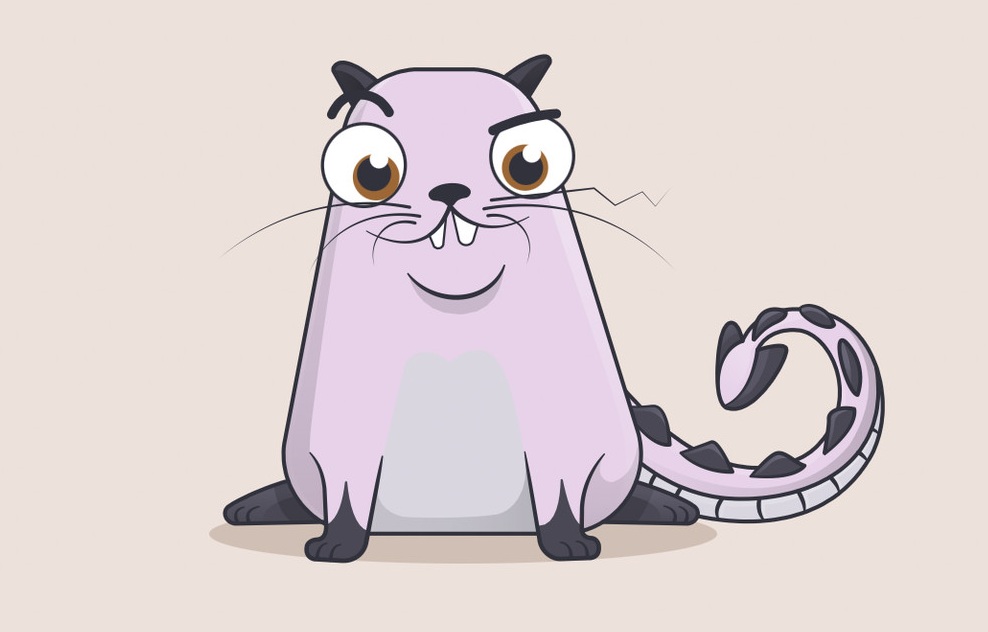
A lot of the NFT trading-related excitement lies with digital artwork, but they can be anything digital, like music or game characters. Some of the biggest NFTs have been sports trading cards, music and CryptoKitties, a game that involves trading images of cats.
How NFTs Work
NFTs, like cryptocurrencies, are digital tokens logged on a blockchain ledger and traded across the network. NFT trading offers many benefits, such as transparency, security and immutability.
Are NFTs A Fad?
Something often pointed out by cynics is that, given the nature of digital artwork and assets, owning an NFT is useless. For example, a digital piece of art that could be sold for several million dollars can simply be downloaded by anyone to view, edit or use at will, making NFT trading pointless.
This is not that different from physical art, though, as anyone can go online and download a picture of the Mona Lisa or buy a print. However, this does not make your printed poster worth $900 million. In the same way, ownership of an NFT is more valuable than a copy, and its value is determined by market forces.
That said, NFT projects have made headlines over the years for the multiple instances where investors have lost huge sums as the markets have decided the projects are no longer worth much.
Pros Of NFT Trading
- Efficiency
- Divisibility
- Transparency
- Authentication
- Improved artist royalties
- Reduced third-party costs
Cons Of NFT Trading
- Environmental concerns
- Some NFT platforms have closed down
- Prices often driven by hype
- Digital wallet required
- Young technology
- Highly risky
How To Start NFT Trading
Trading NFTs Directly
The simplest and most obvious way to get involved with NFT trading is to simply buy and sell NFTs. To find an NFT for sale, you need to visit a dedicated marketplace or app. There are many marketplaces available online, most with slightly different focuses or benefits.
But many aren’t regulated by trusted financial bodies, so you may not get protections like investor compensation in the event a firm goes bankrupt.
To make the transaction, a digital wallet is also often required, though not just any wallet. Not all wallets can support NFTs, so ensure you find one that does. Once set up, it needs to be filled with cryptocurrency. At that point, any NFT that you have the money for can be bought using the wallet. The sale will then be permanently logged on the blockchain and the NFT will appear in your wallet once the sale is verified.
Investing In The NFT Industry
If you don’t want to get involved directly with NFT trading, but wish to invest in the industry, then trading NFT marketplace tokens or cryptocurrencies may be a way to go. As a marketplace grows, the value of the tokens used to make transactions may rise.
Similarly, you could trade the cryptos used for NFT trading, like Ethereum. ETH is used more for both NFTs and regular purchases.
Decentraland
A slightly more obscure way to trade NFTs lies within the virtual reality world called Decentraland. This is a digital platform that is similar to those seen in sci-fi films like Ready Player One. The world is formed of parcels of land, each of which is an NFT that you can purchase, giving you ownership.
Parcels can be used to create anything you want, from a building to a game to an advertisement. These parcels may go up in price if the world gets more popular and land becomes more scarce or useful. Parcels can be sold on or rented out for other creators to place their content there, facilitating a range of NFT trading options.
Creating & Selling NFTs
Finally, you could create an NFT that people might want to buy, and then sell it. The creation of the digital asset itself requires no special knowledge; if you want to make a piece of digital art in Paint, then you can do that. However, transferring it into an NFT is a little harder. Most NFT-supporting blockchains will have templates that can be used.
Artist Royalties
One attraction towards NFT trading is the possibility of better recognition and payment for creators. Nowadays, artists are generally paid by platforms or companies that will advertise and sell their work for them. Artists then get paid a portion of the sales in the form of royalties, but often these are small or don’t take into account additional value that the creation might accumulate.
NFT trading not only verifies all artwork and ties it back to the creator, but also offers special royalty possibilities. NFTs allow artists to potentially directly profit from all sales of the NFT, no matter how far down the line. When an NFT is created, it can be tagged with a value that sends a specified portion of any sale to its original creator.
This means that a piece of art that originally sells for $10 before rocketing to $1 million for the next sale would make its creator money based on its new value, rather than just the original $10.
Dangers Of NFT Trading
There are many, and they are huge. While blockchain ledgers are difficult to tamper with, there are still dangers and scam opportunities associated with NFTs.
Some crypto whales (people that hold significant quantities of a cryptocurrency) may sell an NFT from one wallet to another wallet that they own at a much higher price than it would be worth. This, known as wash trading, artificially inflates the price of the NFT before resale to an unsuspecting NFT trader.
Blockchain ledgers may be difficult to hack for the reasons outlined above, but there are other ways that hackers could get hold of someone’s assets. NFT trading requires a digital wallet that can hold them and these wallets can be hacked, so it is important to ensure there are plenty of defence systems in place.
Equally, NFTs have seen a dip in enthusiasm as many projects have lost money and some marketplaces and platforms have folded.
Environmental Impact Of NFT Trading
There have been lots of stories regarding the high energy usage of blockchain ledgers, with Bitcoin mining using the same quantity of electricity annually as Denmark. While this is, clearly, a problem, this is not down to NFTs itself, rather the security processes of their underlying blockchains.
For a new block to be added to a blockchain, specific numbers must be mined and verified. This takes a lot of computing power but makes it very difficult to create false information in blocks. Similarly, to edit a block, every block after it must be edited correctly too. Mining lots of blocks helps make this harder, as it is more difficult to edit 1,000 blocks than ten.
This is not being ignored by blockchain systems; Ethereum rolled out a model that uses financial stakes, rather than massive computing tasks, to validate new blocks. This blockchain, ETH2, worked the same as the previous model in every other way, facilitating NFT transactions, just reducing its environmental impact.
This may sound like it could remove the decentralisation that sits at the heart of blockchain, but this is not the case. It is simply a different method for nodes across the network to maintain security.
Final Word
NFT trading saw a surge after successes of the game of cards in the NBA and sports, plus the interest in digital art. The support industry was also growing, with NFT trading markets, platforms, apps and sites popping up left right and centre to facilitate the growing excitement. However, some have since closed and the bright future some thought they once had has dimmed.
FAQ
What Is The Most Expensive NFT?
The most expensive NFT sold to date is a piece of digital artwork entitled ‘Everydays: The First 5,000 Days’, which sold for the equivalent of $70million.
What Can NFTs Be?
NFTs can be almost anything. While most of the hype is on digital artwork and trading cards, NFTs can also be used to digitally represent physical objects.
Can I Buy An NFT Without Cryptocurrencies?
NFTs are based on the same blockchains as many cryptocurrencies, most often Ethereum. To buy an NFT, a transaction must be logged on the blockchain, which can only be done with cryptocurrency.
How Can I See NFTs for Sale?
All NFTs are available for all to see, though to see only those for sale, a special marketplace is required. There are many marketplaces around, all of which can be accessed via the internet.
How Are NFTs Different From Bitcoin?
Bitcoin is a cryptocurrency, which is known as a fungible token. This means every Bitcoin is worth the same amount. NFTs are non-fungible tokens, meaning they are all unique in form and value.