



After hours trading on popular exchanges such as the NYSE or Nasdaq is more accessible to retail investors than ever before, but how easy is it and who can do it? We lay out how the after hours trading market works, including times and strategies. We’ve also tested and listed the top-rated brokers with extended hours market access.
Best Brokers For Extended Hours Trading
After specifically evaluating their out-of-hours trading offering, these brokers came out on top:
-
- Demo account
- Min. deposit: $0
- Min. trade: $1
-
- Demo account
- Instruments: Stocks, Options, ETFs, Crypto
- Regulator: SEC, FINRA
eToro USA LLC and eToro USA Securities Inc.; Investing involves risk, including loss of principal; Not a recommendation -
- Demo account
- Instruments: Spot, Futures, Swaps, Options, X-Perp Stocks
- Regulator: FinCEN, VARA
-
- Demo account
- Instruments: Stocks, Options, ETFs, ADRs, OTCs
- Regulator: SEC, FINRA, MAS, SFC, ASIC, CIRO, JFSA, SC
-
- Demo account
- Instruments: Stocks, Options, ETFs, Bonds
- Regulator: SEC, FINRA
-
- Demo account
- Instruments: Stocks, ETFs, Options, Pink Sheets, Warrants
- Regulator: SEC, FINRA, CIRO, AFM, SCB





Learn how we test brokers and why you can trust our ratings.
Here is a short summary of why we think each broker belongs in this top list:
- Interactive Brokers 4.3/5 In our tests, Interactive Brokers offered one of the broadest extended hours ranges 0 08:00 to 02:00 (GMT) for U.S. equities. Liquidity stayed high across popular tickers, with spreads widening by just 0.3–0.5 pips. Ultra-low commissions (starting at $0.005/share) made it ideal for active traders working off-hours.
- eToro USA 3.4/5 During our tests, eToro USA supported extended trading from 09:00 to 01:00 (GMT) on key U.S. stocks. Liquidity remained high in high-volume names, though spreads widened by 0.6–1 pip after hours. Stop-loss and limit orders executed reliably. Zero stock commissions made it cost-effective for evening and pre-market strategies
- OKX 4.1/5 OKX is a respected cryptocurrency firm, established in 2017, that offers a large suite of products, from trading to NFTs. Traders can access over 400 crypto tokens via OTC trading and derivatives. With an excellent web platform, developer tools and dynamic charts, OKX is a popular choice for technical traders.
- Moomoo 3.2/5 During our tests, moomoo provided extended trading from 09:00 to 01:00 (GMT) for U.S. markets, plus full pre- and post-market sessions. Liquidity dipped slightly after hours, and spreads widened by 0.5 to 0.8 pips. Zero commission on U.S. stocks made off-hours trading cost-effective.
- TradeUp 3.5/5 TradeUP offers extended-hours trading on U.S. stocks/ETFs - pre-market 4:00–9:30 a.m. ET and after-hours 4:00–8:00 p.m. ET. Like most brokers we’ve tested, it requires limit orders only during these sessions, but its commission-free model still applies out of hours.
- TradeZero 3.8/5 TradeZero is a stock and ETF broker established in the Bahamas in 2015. Though the global entity is regulated offshore, the US subsidiary is overseen by FINRA with SIPC registration. The powerful proprietary trading software makes it a popular choice for active day traders.
Community Sentiment
See how users rate these brokers based on the average customer ratings submitted on DayTrading.com, plus ratings from Trustpilot, the Apple App Store and Google Play.
| Broker | Our Users' Rating | Trustpilot Score | Trustpilot Reviews | iOS App Rating | Android App Rating |
|---|---|---|---|---|---|
| Interactive Brokers | 5530 | ||||
| eToro USA | 32275 | ||||
| OKX | 1771 | ||||
| Moomoo | 734 | ||||
| TradeUp | - | 1 | |||
| TradeZero | 3094 |
Interactive Brokers
Interactive Brokers is one of the best brokers for advanced day traders, providing powerful charting platforms, real-time data, and customizable layouts, notably through the new IBKR Desktop application. Its superb pricing and advanced order options also make it highly attractive for day traders, while its diverse range of equities is still among the best in the industry.
 Christian Harris, Reviewer
Interactive Brokers quick facts
- Demo Account
- ✔Yes
- Instruments
- Stocks, Options, Futures, Forex, Funds, Bonds, ETFs, Mutual Funds, Cryptocurrencies
- Regulator
- SEC, FINRA, CFTC, NFA, CIRO, FCA, CBI, ASIC, SFC, SEBI, JFSA, MAS
- Platforms
- Trader Workstation (TWS), IBKR Desktop, GlobalTrader, Mobile, Client Portal, AlgoTrader, OmniTrader, TradingView, eSignal, TradingCentral, ProRealTime, Quantower
- Minimum Deposit
- $0
- Minimum Trade
- $1
- Account Currencies
- USD, EUR, GBP, CAD, AUD, INR, JPY, SEK, NOK, DKK, CHF, AED, HUF
Pros
- The TWS platform has clearly been built for intermediate and advanced traders and comes with over 100 order types and a reliable real-time market data feed that rarely goes offline.
- The new IBKR Desktop platform takes the best of TWS while adding bespoke tools like Option Lattice and Screeners with MultiSort to create a genuinely impressive trading experience for day traders at every level.
- IBKR is one of the most respected and trusted brokerages and is regulated by top-tier authorities, so you can have confidence in the integrity and security of your trading account.
Cons
- IBKR provides a wide range of research tools, but their distribution across trading platforms and the web-based 'Account Management' page lacks consistency, leading to a confusing user experience.
- IBKR was fined $11.8m by the US OFAC in 2025 for providing services in sanctioned jurisdictions. It was also fined $125k by FINRA in 2025 for municipal bond disclosure failures.
- Support can be slow and frustrating based on tests, so you might find it challenging to reach customer service representatives promptly or encounter delays in resolving issues.
eToro USA
eToro remains a top pick for traders looking for leading social investing and copy trading services. With a low deposit, zero commissions and an intuitive platform, the broker will meet the needs of newer day traders.
 Jemma Grist, Reviewer
eToro USA quick facts
- Demo Account
- ✔Yes
- Instruments
- Stocks, Options, ETFs, Crypto
- Regulator
- SEC, FINRA
- Platforms
- eToro Trading Platform & CopyTrader
- Minimum Deposit
- $50
- Minimum Trade
- $10
- Account Currencies
- USD
Pros
- The online broker offers an intuitive social investment network with straightforward copy trading on cryptos
- Investors can access Smart Portfolios for a more hands-off approach, covering a range of sectors and markets such as renewable energy and artificial intelligence
- A free demo account means new users and prospective day traders can try the broker risk-free
Cons
- There's a narrower range of day trading instruments available compared to competitors, with only stocks, ETFs, options, and cryptos
- There's no MetaTrader 4 platform integration for traders who are accustomed to using third-party charting tools
- Average fees may cut into the profit margins of active traders
OKX
OKX is a top pick for crypto traders looking for emerging coins and crypto projects to invest in. Traders can also make use of the broker's copy trading service and automated bots.
 William Berg, Reviewer
OKX quick facts
- Demo Account
- ✔Yes
- Instruments
- Spot, Futures, Swaps, Options, X-Perp Stocks
- Regulator
- FinCEN, VARA
- Platforms
- AlgoTrader, Quantower
- Minimum Deposit
- 10 USDT
- Minimum Trade
- Variable
- Account Currencies
- USD, EUR, GBP, INR, JPY, SGD, RUB, AED, SAR
Pros
- X-Perps, added in 2026, provides opportunities on traditional financial assets, including US stocks and commodities
- There's an impressive range of blockchain products, including DeFi services, NFTs and games, alongside 400+ established and emerging coins
- There's a vast developer lab plus access to a marketplace of pre-built trading bots with auto-arbitrage
Cons
- The broker's platform and features may be complex for novices
- The firm offers limited regulatory oversight, though this is common among crypto exchanges
- The quality of customer support was inconsistent based on testing
Moomoo
Moomoo remains an excellent choice for new and intermediate stock traders who want to build a diverse investment portfolio. What really stands out is the broker's user-friendly app and the low trading fees.
Jemma Grist, Reviewer
Moomoo quick facts
- Demo Account
- ✔Yes
- Instruments
- Stocks, Options, ETFs, ADRs, OTCs
- Regulator
- SEC, FINRA, MAS, SFC, ASIC, CIRO, JFSA, SC
- Platforms
- Desktop Platform, Mobile App
- Minimum Deposit
- $0
- Minimum Trade
- $0
- Account Currencies
- USD, CAD, AUD, JPY, MYR, HKD, SGD, CNY
Pros
- The broker offers access to extended pre-market trading hours
- There are reduced options contract fees from $0.65 to $0
- The Moomoo AI assistant, found in the desktop software and app, provides genuinely useful market insights to inform active traders
Cons
- Moomoo has faced multiple regulatory penalties in recent years, including fines and orders in 2026 that stopped it temporarily accepting some Japanese and Chinese clients
- The account range is narrow compared to other brokerages in its class with no managed portfolios or robo-advisor solutions
- There is no negative balance protection, which is a common safety feature at top-tier-regulated brokers
TradeUp
TradeUp is best suited to budget-conscious day traders looking to trade U.S. and global markets (via ADRs) with zero commissions on a user-friendly mobile app. Its more than 250 Chinese American Depositary Receipts (ADRs), including Alibaba Group (BABA), also make it suitable for trading Chinese equities.
Christian Harris, Reviewer
TradeUp quick facts
- Demo Account
- ✔Yes
- Instruments
- Stocks, Options, ETFs, Bonds
- Regulator
- SEC, FINRA
- Platforms
- Desktop, Web, Mobile
- Minimum Deposit
- $0.01
- Minimum Trade
- $1
- Account Currencies
- USD
Pros
- TradeUp’s platforms work smoothly across multiple devices based on our tests, including mobile apps for iOS and Android, a desktop app for Windows and Mac, and a web-based platform. This allows active traders to switch between devices without losing continuity, whether you’re at home or on the go.
- TradeUp runs an integrated and intuitive financial calendar that helps you track earnings, dividends, and IPOs relevant to your watchlist, enabling you to stay ahead of market-moving events.
- TradeUp offers commission-free trading on US stocks and ETFs, and support for fractional shares lets you buy portions of a share for as little as $1. This makes it a cost-effective choice for active day traders who want to minimize trading expenses.
Cons
- TradeUp's educational resources aren't kept updated, and were over 6 months old in our latest tests. While there are articles and tutorials aimed at newcomers, the content is somewhat limited and does not cover more advanced trading strategies or deeper topics.
- The platform's technical indicators have limited customization options from our use. On both mobile and web versions, you can't layer multiple indicators on the same chart simultaneously, which restricts more sophisticated chart analysis.
- A 2026 security incident left the personal and financial data of 26,985 users vulnerable, including their Social Security numbers, driver's licenses, passports, and medical information.
TradeZero
TradeZero is best for experienced stock day traders, especially those trading momentum in small-caps or those chasing opportunities in pre- and after-hours sessions. It also suits short sellers needing hard-to-borrow locates and active options traders thanks to its direct routing tools and Level 2 data, though these typically require a paid platform subscription (ZeroPro or ZeroWeb).
 James Barra, Reviewer
TradeZero quick facts
- Demo Account
- ✔Yes
- Instruments
- Stocks, ETFs, Options, Pink Sheets, Warrants
- Regulator
- SEC, FINRA, CIRO, AFM, SCB
- Platforms
- TZ1, ZeroPro, ZeroFree, ZeroMobile, TradingView
- Minimum Deposit
- $2,500 (US), $500 (International), $250 (Europe)
- Minimum Trade
- $1
- Account Currencies
- USD
Pros
- Across 50+ hours of tests on TZ1, ZeroPro, ZeroFree and ZeroMobile, including making 50+ chart setting changes, we found more than enough technical analysis tools for serious intraday traders.
- TradeZero’s 4:00 AM to 8:00 PM ET market access is excellent for those looking to capitalize on pre-market momentum and post-earnings volatility on U.S. equities.
- TradeZero’s short-selling setup is one of the strongest we’ve tested, with pre-borrows, single-use locates, regular locates, and credit back on eligible unused locates - providing access to an inventory many legacy brokers simply don't.
Cons
- The TradingView integration disappointed during our tests and is supported by wider user feedback, with access issues, freezes and occasional order-processing problems that make it harder to trust for frequent live execution.
- TradeZero was charged by the US SEC in 2022 over misleading statements concerning its meme-stock purchase halts, plus it had a $250k fine from FINRA in 2024 over compliance failures, and a $175k fine from CIRO in 2025 for inadequate supervision of client trading.
- It doesn't use a true 'no commission' model - free trading really applies to non-marketable limit orders of 200+ shares above $1, while marketable orders, OTC names, options, locates, borrow and data still add up fast. It charges a $0.99 flat fee on trades under 200 shares.
Key Takeaways – After Hours Trading
- After hours trading lets you buy and sell stocks outside the normal 09:30 to 16:00 ET window, including pre-market (as early as 04:00 ET) and post-market (until 20:00 ET).
- You can only use limit orders during extended hours. Market orders and stop-losses are not available.
- Liquidity is much lower, which means wider spreads, bigger price swings, and a real chance your order doesn’t get filled.
- Earnings reports and major news released after the close are the main reason traders use these sessions.
- Prices set in after hours trading don’t always stick. The opening auction the next morning can move the stock in a completely different direction.
- Both the NYSE and Nasdaq are working toward 22- to 23-hour trading days, potentially launching in late 2026.
What Is After Hours Trading?
After hours (or extended hours) trading takes place outside of the usual market sessions. In the US markets, the New York Stock Exchange and the Nasdaq usually operate between 09:30 and 16:00 ET, Monday through Friday. After hours trading on these exchanges includes the post-market (between 16:00 and 20:00 ET) and pre-market trading (ending at 09:30 ET).
On the Nasdaq, pre-market trading begins as early as 04:00 ET. This gives traders and investors a full five and a half hours of activity before the opening bell. Some brokers now offer even broader windows through overnight or 24/5 trading sessions. These extend access beyond the traditional pre-market and post-market periods. Interactive Brokers, for example, now has extended trading hours on many US stocks and ETFs that runs from 20:00 (8:00 PM) to 3:50 AM ET, Sunday through Thursday, which allows for nearly 24-hour coverage.
In the UK market, the London Stock Exchange is open from 08:00 until 16:30 GMT, so the pre-market and post-market hours are 05:05 to 07:50 GMT, and 16:40 to 17:15 GMT, respectively.
While the NYSE and Nasdaq close on weekends, some brokers (notably IG) offer limited weekend trading via synthetic indices or low-liquidity mechanisms. However, this is not exchange-based trading and carries higher risks and wider spreads.
After hours investing will typically use an electronic communications network (ECN) or alternative trading system (ATS) to match buyers and sellers without using a traditional stock exchange. European markets refer to them as multilateral trading facilities (MTFs), as per regulatory requirements.
However, some investors think that trading before and after closing times is unfair as many don’t have access to this option and results can only be obtained by very few.
The Push Toward 22- and 23-Hour Trading Days
Extended hours trading has evolved quickly, giving individual traders access that was once strictly limited to institutional participants.
In early 2025, the SEC granted accelerated approval for NYSE Arca to extend its trading day from 16 hours to 22 hours. This would allow it to operate from 01:30 to 23:30 ET Monday through Thursday and 01:30 to 20:00 ET on Fridays. Implementation is targeted for late 2026 (pending alignment with the consolidated data feeds (SIP) and the DTCC clearing infrastructure).
Nasdaq has filed its own proposal for a near-continuous 23-hour trading day. Under its framework, a “Day Session” would run from 04:00 to 20:00 ET (standard market day, plus extended sessions from 04:00-09:30 and 16:00-20:00), followed by a “Night Session” from 21:00 to 04:00 ET.
There would be a one-hour technical pause between 20:00 and 21:00 ET for system maintenance, trade clearing, and corporate action processing. The SEC is expected to issue a final decision in 2026.
These developments mean the concept of “after hours” trading may soon become less relevant as exchange-based trading approaches round-the-clock availability. For now, though, the traditional pre-market and post-market windows remain the primary extended hours sessions for most retail investors. Liquidity still remains strongest during traditional market hours, especially around open and close windows.
Growing participation is a key driver behind the push for longer exchange hours. NYSE research found that off-hours trading accounted for roughly 11.5% of all US equities activity in Q2 2025, with multiple single-day pre-market volume records broken during the quarter.
Why Trade After Hours?
Some of the most important market moves occur outside of regular sessions, with high volatility acting as a gauge of how the market will behave when it opens. These opportunities can be profitable. For example, the S&P 500 futures contract is popular within pre-market sessions because it can indicate market sentiment for the day.
This method is also popular in the stock market since high-volume stocks can continue to see aftermarket activity for some time after the 16:00 close. News events are often released after hours, meaning investors will rush to act on the numbers before other traders. This can cause rapid and significant moves in stock prices.
Earnings reports are a major catalyst. Companies frequently release quarterly results after the 16:00 close or before the 09:30 open. The initial price reaction in the extended hours session can be large. Traders who participate in these sessions can position themselves ahead of the broader market response the following day.
Because this type of investment is time-bound, yesterday’s information from the press might be expired and the market is now moving on today’s news.
It is important to keep up with live graphs and trackers to make the most of these price movements. Some platforms that offer access to this information include Interactive Brokers, Webull, and Qtrade.
You can find the biggest movers on the Marketwatch After Hours Screener website or the Nasdaq Most Active List – note that while you might be tempted to trade the biggest stocks, it’s the key movers of the day that will provide the biggest opportunities.
After Hours Trading Strategy
A popular method of trading extended hours is to closely follow fundamentals such as macroeconomic releases and geopolitical events. This is known as news trading and is a popular strategy.
As mentioned earlier, the after hours market is often moved by news events that occur outside of typical hours. This could be anything from a government interest rate announcement or inflation data to a natural disaster or news of a war.
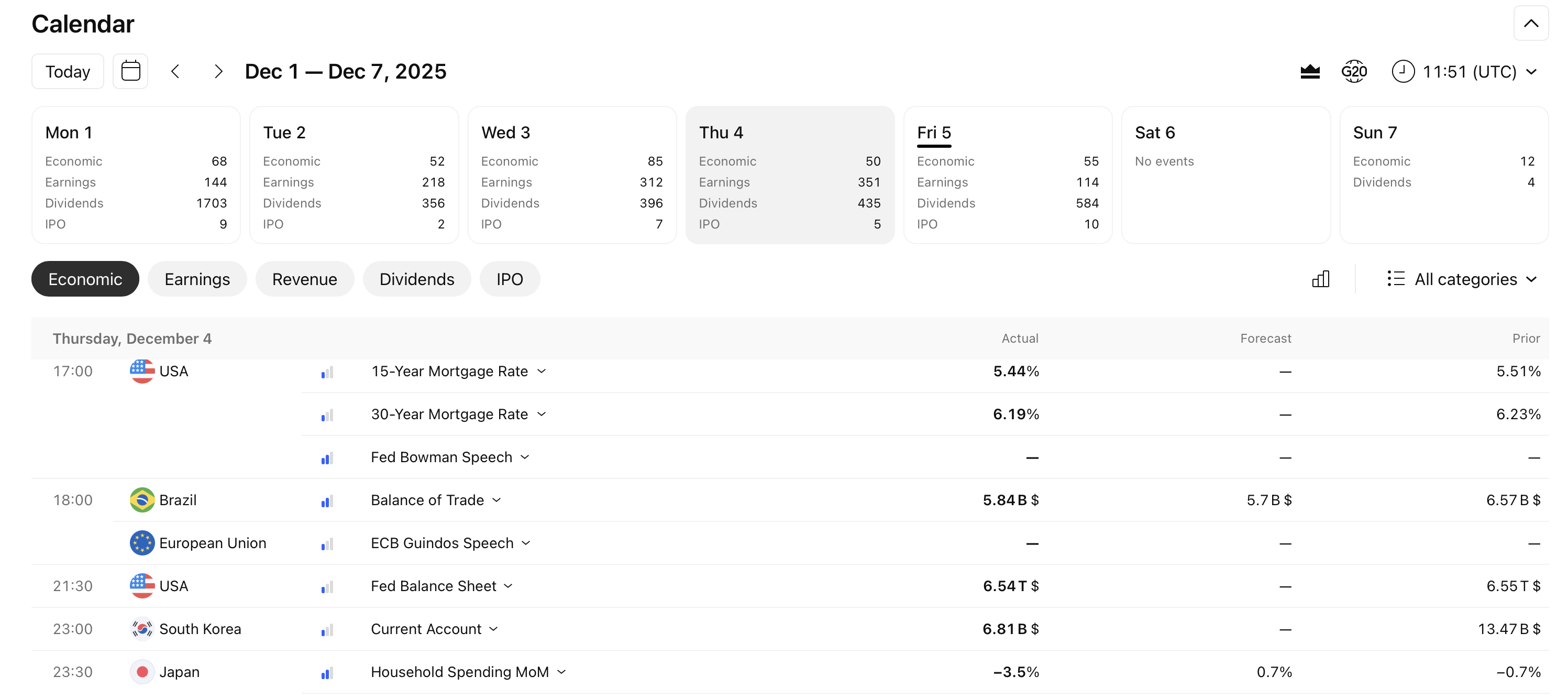
Furthermore, the expected outcome of an event will usually be reflected in market prices before it actually happens, so it’s important to keep on top of these updates. You could also open a position early, though always make sure you are using limit orders.
Many investors will opt to trade breakouts during these periods. They usually occur after a period of consolidation, whereby the price is fairly stable as traders anticipate a wide market move.
You will need to analyze live charts and employ technical indicators to take advantage of these opportunities. Bollinger Bands are particularly popular for breakout strategies, so we’ll cover these in more depth later on.
Order Types In After Hours Trading
Restriction on order types is one of the main differences between regular and extended trading hours. Most brokers only accept limit orders during pre-market and after-hours trading.
But the following order types are generally not available during extended market hours:
- market orders
- stop orders
- stop-limit orders, and
- conditional orders such as:
- fill-or-kill
- immediate-or-cancel, and
- all-or-none
A limit order lets you set the maximum price you’re willing to pay when buying, or the minimum price you’ll accept when selling. While this gives you price control, there is no guarantee that your order will be filled, particularly in a low-liquidity environment where matching buyers and sellers can be difficult.
Because stop-loss orders don’t function in extended hours, traders can’t rely on automatic downside protection.
Some use price alerts instead. These notify them when a stock hits a target level so they can manually place a limit order. This requires more active monitoring, but it can be an effective workaround.
After hours orders are typically only valid for the specific session in which they’re placed. Accordingly, they generally don’t carry over to the next session. Some platforms offer a “GTC_EXT” (Good Til Canceled, including extended hours) time-in-force option that keeps the order active across sessions until filled or manually canceled.
Pros Of After Hours Trading
If you’re wondering whether this method would be good or bad for your investment portfolio, it will largely depend on your risk profile and experience level.
With that said, some of the main benefits of after hours trading include:
- Convenience – Depending on individual circumstances, it allows some investors to trade at more convenient and flexible times
- Get ahead of the game – Investing with an after hours strategy allows you to react to news and events quickly before the normal trading day begins
- Price opportunities – Volatility in these markets can reveal some appealing prices when trading after hours. Investors will look to capitalize on these price swings
- International access – For investors in different time zones, extended hours sessions allow participation in US markets at more reasonable local hours
Cons Of After Hours Trading
However, there are some notable risks:
- Tough competition – The after hours market may not seem entirely fair to opportunistic traders, who will still have to compete with institutional investors that have access to better technology and resources.
- More costly – Due to low liquidity and a smaller number of traders in after hours markets, spread quotes may widen, making it more difficult to execute deals at favorable prices.
- Uncertain prices – The SEC warns that prices during after hours trading may not reflect the price during regular trading.
- Risk of volatility – Dramatic price fluctuations can occur more frequently and is, therefore, not a recommended strategy for beginners.
- Lower liquidity – There is generally a lower volume of market participants during off-peak times. If you need to quickly close out a position, there may not be any buyers or sellers. For example, say you wanted to sell your GameStop (GME) shares for $300, but the highest bid for your shares might only be $290. If you choose to keep your price, there is a possibility that your order may not even be executed.
- Limited order types – Most brokers restrict you to limit orders only during extended hours. Stop-loss orders and market orders generally aren’t available. As such, you can’t automate your downside protection the way you would during regular sessions.
- Gap risk – Prices established in the after hours session don’t always carry over. A stock that rises at 18:00 ET may open at a completely different level the next morning once the full market weighs in.
How To Start After Hours Trading
1. Choose A Broker
Your first step in starting after hours trading will be to find a good brokerage that offers robust platforms or mobile apps and attractive features.
It’s a good idea to practice in a demo account, as it gives you the chance to familiarize yourself with the platform’s technical tools and charts during extended trading hours.
The broker’s fees are also going to be a key factor in your decision, as after hours trading can involve wider spreads. You’ll want to choose the company offering the most competitive fees for the assets you intend to trade.
You should also consider which payment methods are available and watch out for any deposit or withdrawal fees.
Any additional features that can broaden your analysis and keep you on top of global events will also be essential for after hours trading. Most top brands will offer a range of educational material, market analysis, a news feed and an economic calendar within the platform.
You can enjoy such features with various brokers, including eToro. In the US, Interactive Brokers also provides tools such as charts for GME or quotes.
Buying after hours on IG is also popular among UK clients. Make sure to also check out the broker’s extended hours rules on their website.
Some brokerages now offer 24/5 trading on select stocks and ETFs, typically all/most S&P 500, Nasdaq 100, and Dow 30 components. If round-the-clock access matters to you, compare brokers on both their extended hours windows and the range of securities available in each session.
2. Analyze Markets
Once you’ve registered with a broker and decided on the asset that you wish to trade, you can start analyzing the market and price history to make a prediction. For example, historical information for Grayscale Bitcoin Trust (GBTC) or 10 year treasury assets may be available.
As mentioned earlier, many participants in this market will act on news events and announcements that are released before or after the regular trading day. For example, Amazon might announce that it’s releasing the next quarterly earnings report at 16:30 ET. Investors might identify a period of consolidation prior to this time before a breakout occurs.
It’s important to have a strong grip on fundamental resources that could affect prices, such as economic calendars, market sentiment analysis and tops news outlets. The NASDAQ-100 pre-market indicator is also a useful tool for gauging market sentiment before the market opens. The indicator is based on real after hours trading data.
3. Use Technical Indicators To Confirm
You will then need to confirm any trends or price action that you spot on your chart, using technical indicators such as Bollinger bands or moving averages. Bollinger bands can help you determine whether prices are high or low using a moving average as a central band.
They can be excellent tools for breakout trading. For example, if the upper and lower bands start moving towards each other, or the distance between the two becomes narrow, this can indicate that the market is consolidating.
This is known as a price ‘squeeze’. If the price moves above the high of the consolidation, this would mean an upside breakout, whilst a close below the low would suggest a downside breakout.
Occasionally, after hours trading can increase the opening price of a stock, for example, if a news event in the pre-market attracts a lot of investing and pushes demand up. However, a trend will not necessarily continue in the regular session, as extended hours trading only represents a very small portion of market sentiment.
Whatever method or strategy you opt for, it is vital that you apply appropriate risk management rules to protect your positions. Remember that spreads can widen in the after hours market and low liquidity could leave positions un-executed.
After Hours Trading Times By Exchange
Here is a summary of the key extended hours windows across major exchanges:
| Exchange | Pre-Market | Regular Session | Post-Market |
|---|---|---|---|
| NYSE | 06:30 – 09:30 ET (orders queued) | 09:30 – 16:00 ET | 16:00 – 20:00 ET |
| Nasdaq | 04:00 – 09:30 ET | 09:30 – 16:00 ET | 16:00 – 20:00 ET |
| London Stock Exchange | 05:05 – 07:50 GMT | 08:00 – 16:30 GMT | 16:40 – 17:15 GMT |
| Toronto Stock Exchange (TSX) | N/A | 09:30 – 16:00 ET | 16:15 – 17:00 ET |
Note that broker-specific windows may differ.
Bottom Line
After hours trading can be attractive and convenient for experienced investors who want to react to news events before the day begins. If you do decide to invest after hours, remember that there are fewer participants in the market during these times and spreads can widen. As such, it’s worth considering the big movers which tend to experience greater activity and offer more profitable opportunities.
Extended hours is changing fast. The NYSE and Nasdaq are both pursuing 22- to 23-hour trading days, and major brokers are already offering 24/5 access on select securities. As such, the line between “regular” and “after hours” trading is blurring. For traders, it’s vital to stay informed regarding how these structural changes affect your broker’s offerings, order routing, and the liquidity available in each session.
See our list of the best brokers that offer after hours trading to get started.
FAQ
After Hours Trading: What Does It Mean?
The definition of after hours trading is when investors buy and sell securities outside of normal trading hours. This can be explained and split into two categories: pre-market and post-market. In the US market, pre-market hours are before 09:30 ET, whilst post-market hours are between 16:00 and 20:00 ET.
What Is The Difference Between After Hours Trading Vs Pre-Market Trading?
Pre-market trading is a form of extended hours trading, whereby you can trade up to 09:30 ET in the US stock market. After hours trading is simply a generalized term, whilst pre-market specifies the period of time before the trading day begins. Some exchanges, such as Nasdaq, even allow you to invest the pre-market from 4AM ET.
What Is The Difference Between After Hours Trading Vs Day Trading?
Generally, day trading will take place within one investing day. Liquidity and volatility are central to day trading, so investors will look to open positions in the hours after the stock market opens (after 09:30 ET) and in the last hour before the end time of 16:00 ET. After hours trading occurs outside of these times.
How Can I Start After Hours Trading?
This type of investing requires a good understanding of news releases and how they can affect price movement. It’s also worth finding out what the biggest gainers or movers are, as these will offer better opportunities. You will need to sign up to a broker to do this. See our list of recommended after hours trading platforms.
Is After Hours Trading Illegal?
After hours trading is a legal practice offered by many top brokerages. Make sure you always use a trusted and regulated provider to ensure that your capital is secure. It’s worth noting, however, that some critics argue that after hours trading is unfair to investors since manipulation of stock prices can occur as a result of institutional investors moving the market.
What Order Types Can I Use In After Hours Trading?
Most brokers accept only limit orders during extended hours sessions.
Market orders, stop orders, and conditional order types like fill-or-kill or all-or-none are generally not available.
Given this, this means you must specify the price at which you are willing to buy or sell, and your order will only execute if a matching counterparty is found at that price (or better). Because stop-loss orders are unavailable, you can’t set automatic downside protection during these sessions.
Can I Trade 24 Hours a Day On US Stock Exchanges?
Not yet on the exchanges themselves. But several brokers already offer 24/5 trading on select securities through alternative trading systems.
Why Do After Hours Prices Sometimes Not Carry Over To The Next Day?
After hours trading is still a small fraction of overall market activity. There are far fewer participants and lower liquidity, which means wider bid-ask spreads than normal. When the regular session opens, the full weight of institutional and retail participation enters the market through the opening auction process. This re-establishes prices based on all accumulated overnight orders. For example, you might see a stock that moved a lot in the post-market may gap in the opposite direction at the open if broader sentiment disagrees with the after hours move.
Is After Hours Trading More Risky Than Regular Hours?
Yes, generally. Lower liquidity means wider bid-ask spreads and less price certainty. Fewer market makers participate, which can make it harder to execute trades at favorable prices. Volatility tends to be higher, and earnings announcements can exacerbate such moves. Additionally, for day traders, stop-losses are generally important and you lose the ability to use stop-loss protection. For these reasons, after hours trading is better suited to experienced traders who understand the risks and can monitor their positions actively.