
Best Japan Financial Services Agency (FSA) Brokers 2026


This guide lists the top brokers regulated by the Japanese Financial Services Agency (JFSA), which is responsible for protecting market participants and the stability of the local financial system. We also explain the history of the agency, its responsibilities and protections for retail traders.
Best JFSA Brokers
These are the 2 top brokers that hold a license with the JFSA, providing a secure trading environment for Japanese traders:


Here is a short summary of why we think each broker belongs in this top list:
- Interactive Brokers - Interactive Brokers (IBKR) is a premier brokerage, providing access to over 170 markets across 40 countries, along with a suite of comprehensive investment services. With over 40 years of experience, this Nasdaq-listed firm adheres to stringent regulations by the SEC, FCA, CIRO, and SFC, amongst others, and is one of the most trusted brokers for trading around the globe.
- Moomoo - Moomoo is an SEC-regulated app-based investment platform that offers a straightforward and affordable way to invest in Chinese, Hong Kong, Singaporean, Australian and US stocks, ETFs and other assets. Margin trading is available and the brand offers a zero-deposit account as well as several bonuses.
Community Sentiment
See how users rate these brokers based on the average customer ratings submitted on DayTrading.com, plus ratings from Trustpilot, the Apple App Store and Google Play.
| Broker | Our Users' Rating | Trustpilot Score | Trustpilot Reviews | iOS App Rating | Android App Rating |
|---|---|---|---|---|---|
| Interactive Brokers | 5506 | ||||
| Moomoo | 556 |
Interactive Brokers
"Interactive Brokers is one of the best brokers for advanced day traders, providing powerful charting platforms, real-time data, and customizable layouts, notably through the new IBKR Desktop application. Its superb pricing and advanced order options also make it highly attractive for day traders, while its diverse range of equities is still among the best in the industry."
Christian Harris, Reviewer
Interactive Brokers Quick Facts
| Demo Account | Yes |
|---|---|
| Instruments | Stocks, Options, Futures, Forex, Funds, Bonds, ETFs, Mutual Funds, Cryptocurrencies |
| Regulator | SEC, FINRA, CFTC, NFA, CIRO, FCA, CBI, ASIC, SFC, SEBI, JFSA, MAS |
| Platforms | Trader Workstation (TWS), IBKR Desktop, GlobalTrader, Mobile, Client Portal, AlgoTrader, OmniTrader, TradingView, eSignal, TradingCentral, ProRealTime, Quantower |
| Minimum Deposit | $0 |
| Minimum Trade | $1 |
| Account Currencies | USD, EUR, GBP, CAD, AUD, INR, JPY, SEK, NOK, DKK, CHF, AED, HUF |
Pros
- IBKR continues to deliver unmatched access to global stocks with tens of thousands of equities available from 100+ market centres in 24 countries, most recently the Saudi Stock Exchange.
- Interactive Brokers has launched a unified interface that integrates prediction markets across three top exchanges: Kalshi, CME Group, and ForecastEx, with products where users can trade yes/no contracts on political, economic, and climate events, with fixed $1 payouts per contract, 24/6 market access, and interest on eligible held positions.
- There's a vast library of free or paid third-party research subscriptions catering to all types of traders, plus you can enjoy commission reimbursements from IBKR if you subscribe to Toggle AI.
Cons
- TWS’s learning curve is steep, and beginners may find it challenging to navigate the platform and understand all the features.
- You can only have one active session per account, so you can’t have your desktop program and mobile app running simultaneously, making for a sometimes frustrating trading experience.
- IBKR was fined $11.8m by the US OFAC in 2025 for providing services in sanctioned jurisdictions. It was also fined $125k by FINRA in 2025 for municipal bond disclosure failures.
Moomoo
"Moomoo remains an excellent choice for new and intermediate stock traders who want to build a diverse investment portfolio. What really stands out is the broker's user-friendly app and the low trading fees."
Jemma Grist, Reviewer
Moomoo Quick Facts
| Demo Account | Yes |
|---|---|
| Instruments | Stocks, Options, ETFs, ADRs, OTCs |
| Regulator | SEC, FINRA, SIPC, MAS, SFC, ASIC, FMA, CIRO, CIPF, JFSA, SC |
| Platforms | Desktop Platform, Mobile App |
| Minimum Deposit | $0 |
| Minimum Trade | $0 |
| Account Currencies | USD, CAD, AUD, JPY, MYR, HKD, SGD, CNY |
Pros
- The Moomoo AI assistant, found in the desktop software and app, provides genuinely useful market insights to inform active traders
- Moomoo is a Member of FINRA and the Securities Investor Protection Corporation (SIPC), adding another level of security for prospective clients
- API Skills provides agentic investing to retail traders, whereby users can connect their personal AI agents like Claude or OpenAI to Moomoo's infrastructure to execute algo strategies in plain natural language
Cons
- The account range is narrow compared to other brokerages in its class with no managed portfolios or robo-advisor solutions
- There is no negative balance protection, which is a common safety feature at top-tier-regulated brokers
- Moomoo has faced multiple regulatory penalties in recent years, including fines and orders in 2026 that stopped it temporarily accepting some Japanese and Chinese clients
What Is The Japanese Financial Services Agency?
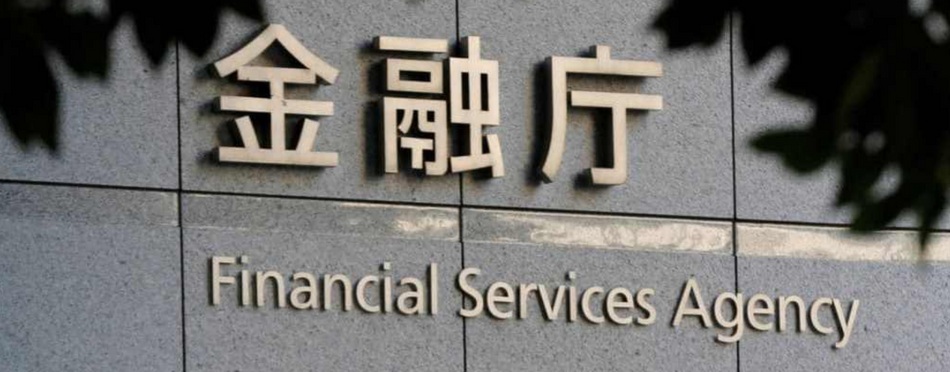
The Japanese Financial Services Agency became a regulatory body in 2000 and is the main watchdog in the region. It is based in Tokyo and led by a Commissioner who is appointed by the Minister of State for Financial Services.
The decisions the Japanese Financial Services Agency makes in relation to securities trading has implications for both traders and online brokers. Importantly, any broker or company providing trading services to retail investors must hold a license with the JFSA. Traders can use the online register to search for FSA-regulated entities and companies.
The local watchdog is also a member of the Financial Action Task Force (FATF). This is an international organisation set up to develop global standards for anti-money laundering. As a result, the JFSA’s influence extends beyond Japan.
Responsibilities & Powers
To understand the responsibilities and powers of the Financial Services Agency in Japan, you have to first know its structure. The FSA is split into several bureaus:
- Strategy Development and Management – this function implements policies
- Policy and Markets – rather than implementing the policy, this bureau makes the policy for markets and the wider financial system (e.g rules regarding liquidity risk management)
- Supervision – this bureau has responsibility, amongst other things, for monitoring the local cryptocurrency industry
- Securities and Exchange Surveillance Commission Executive – this is the enforcement wing of the JFSA
- Certified Public Accountants and Auditing Oversight Board Executive – this has the role of conducting audits
The Japanese Financial Services Agency also has some regulatory reporting powers to increase transparency in business activities and to assist itself in enforcing its rules. In addition, the JFSA works closely with the Government of Japan to develop legislation that impacts the local financial system and the firms within it.
An example of regulations to be introduced in the future is the mandatory requirement for climate risk disclosures for certain large companies. This move is to align with the objectives of the Task Force for Climate-Related Financial Disclosure (TCFD).
Investors Protection Fund
The JFSA also plays a role in insuring client funds. Trading brokers should segregate client accounts from their own capital. In theory, this means customers should still be able to withdraw their funds if a firm goes bankrupt. However, should this not happen, the JFSA has an Investors Protection Fund that will pay a maximum of 10 million yen per investor.
Enforcement
The Securities and Exchange Surveillance Commission (SESC) in Japan comes under the authority of the JFSA. It helps undertake investigations into market misconduct and inspects financial business operators. In the case of serious violations, it can make recommendations to the Financial Services Agency and the Japanese Prime Minister to take administrative disciplinary action.
The remit of the JFSA’s enforcement powers are extensive – the regulator can impose fines, order the cessation of corporate operations and even imprison guilty individuals. Japan’s Financial Services Agency has a weekly review, which contains a list of any administrative penalties issued against companies in the preceding week.
Actions
Cryptocurrency
The Financial Services Agency in Japan has taken a robust approach to the crypto industry. Following token thefts at the Coincheck exchange in 2018, two brands were ordered to shut down whilst legislations were adjusted. In 2019, rules that applied to crypto exchanges were also strengthened to help ensure that customer assets were adequately protected.
New restrictions on stablecoins have also been discussed, with the Japanese Financial Services Agency planning to introduce fresh requirements in 2022. The restrictions may state that only banks and wire transfer services can issue stablecoins. The US has also been thinking along similar lines. It is hoped that these restrictions will provide additional protections to local financial markets, however, they are likely to impact the availability of stablecoins to crypto investors.
Forex
In the forex market, the Japanese Financial Services Agency imposes a maximum leverage cap of 1:25. This means that investors cannot trade with more than 25 times their original investment. Regulations like this help protect traders from magnified losses, however, they can also restrict traders who want to adopt high-risk strategies.
Remember that while the JFSA imposes maximum leverage restrictions, brokers can still reduce margin ratios further – they just cannot exceed the maximum cap.
Another area that the JFSA has cracked down on is advertisements that exaggerate the services or opportunities available. The regulator also regularly interviews forex brokers to ensure they interact with their customers appropriately.
Other Markets & Trading Types
The Japanese Financial Services Agency/Council has looked at streamlining the Tokyo Stock Exchange and reducing the number of companies in one of the cash equity markets. This would impact traders speculating on the growth of that market.
In addition, back in 2002, the JFSA strengthened short-selling restrictions to try and prevent unfair transactions. There have also been further developments since then, including restrictions on naked short selling (i.e selling stocks that do not exist).
Final Thoughts on JFSA Brokers
Being the chief regulator of the Japanese financial services industry, the remit of the FSA extends beyond online trading. With that said, many of the policies and regulations it devises have direct implications for traders. This can be seen in the action it has taken with cryptocurrency exchanges plus leverage in the retail forex trading space. See our list of the best JFSA brokers to get started today.
FAQs
What Is The JFSA?
The JFSA is the Financial Services Agency of Japan and the main regulator of local financial services. It creates regulations and rules governing financial companies, such as trading brokers. It also enforces its requirements and standards. Note, a licensed entity search is available on its online register.
Is The Japanese FSA Tough On Cryptocurrency?
The JFSA has taken robust action to protect crypto traders, for example, tightening the rules following coin thefts from exchanges in 2018. With that said, their requirements are similar to those of many global regulators who are also taking a tougher stance in the digital currency space.
What Is The JFSA Investors Protection Fund?
The Investors Protection Fund secures the capital of investors should a licensed firm go bankrupt. It will pay a maximum of 10 million yen per investor in the event that a securities company goes bankrupt.
What Enforcement Powers Does The Japan FSA Have?
The JFSA has powers to issue fines, imprison individuals and order the cessation of corporate activities. Its powers and responsibilities are in line with other top regulators like the UK’s Financial Conduct Authority.
What Is The Maximum Forex Leverage That The JSFA Allows?
The JFSA imposes a maximum leverage rate of 1:25 for retail forex traders. These rules are relatively stringent so many brokers are registered with other, more relaxed regulators.