





A ban on binary options has effectively been in place for retail traders since 2nd July 2018 in Europe. The European regulator, ESMA placed a temporary ban on binaries, and they’ve since largely been restricted across EU countries as many national governments introduced their own policies.
Some EU traders technically avoid the ban, but it’s essential to understand what the rules are, what’s lawful, and the safer alternatives that exist. Let’s find out what the options are for traders impacted by the ban.
Binary Ban Explained
The European Securities and Markets Authority (ESMA) implemented a ban on binary options in July 2018. They were convinced that this measure would protect consumers and resolve the deluge of complaints they had received over the previous decade.
The number of frauds linked to binary options was huge, and ESMA decided to halt the supply and marketing of binary options “to retail traders”.
The ban was originally implemented temporarily, for three months. It also coincided with restrictions on CFD and forex trading in Europe.
National Bans
The ESMA’s temporary EU-wide ban on binary options starting 2 July 2018, eventually expired on 1 July 2019 and was not renewed. Instead, many individual European Union member states adopted their own permanent national bans on binary options for retail investors.
These national measures largely remain in effect many years later and are enforced by each country’s financial regulator, though this can change so always check the latest rules at your country’s relevant financial regulator.
The shift from a temporary EU-wide ban to permanent national restrictions reflects ESMA’s decision to allow member states to implement tailored protections.
For example, the UK Financial Conduct Authority (FCA) ban became enforceable on 2 April 2019, stating that all firms acting in or from the UK (then still an EU member) are prohibited from selling, marketing or distributing binary options to retail consumers. The FCA estimated this permanent ban could save retail consumers up to £17 million per year.
Similarly, France’s Autorité des Marchés Financiers (AMF) implemented a permanent national prohibition effective 2 July 2019, mirroring the approach taken by other EU member states.
Do Some Traders Avoid The Ban?
Yes, some through unsafe routes, others through viable options like alternatives to binaries.
Binary traders actually have a few choices when it comes to trading from within the EU. There are positives and negatives to all of them, but it is possible for traders to carry on – just very risky so not encouraged.
Firstly, trading with an unregulated broker that still accepts EU traders should be avoided. One side-effect of the ban is that many consumers have been inadvertently ‘pushed’ towards unregulated firms. This is not a safe route. Here are some methods to continue trading in a compliant way.
Alternative Products
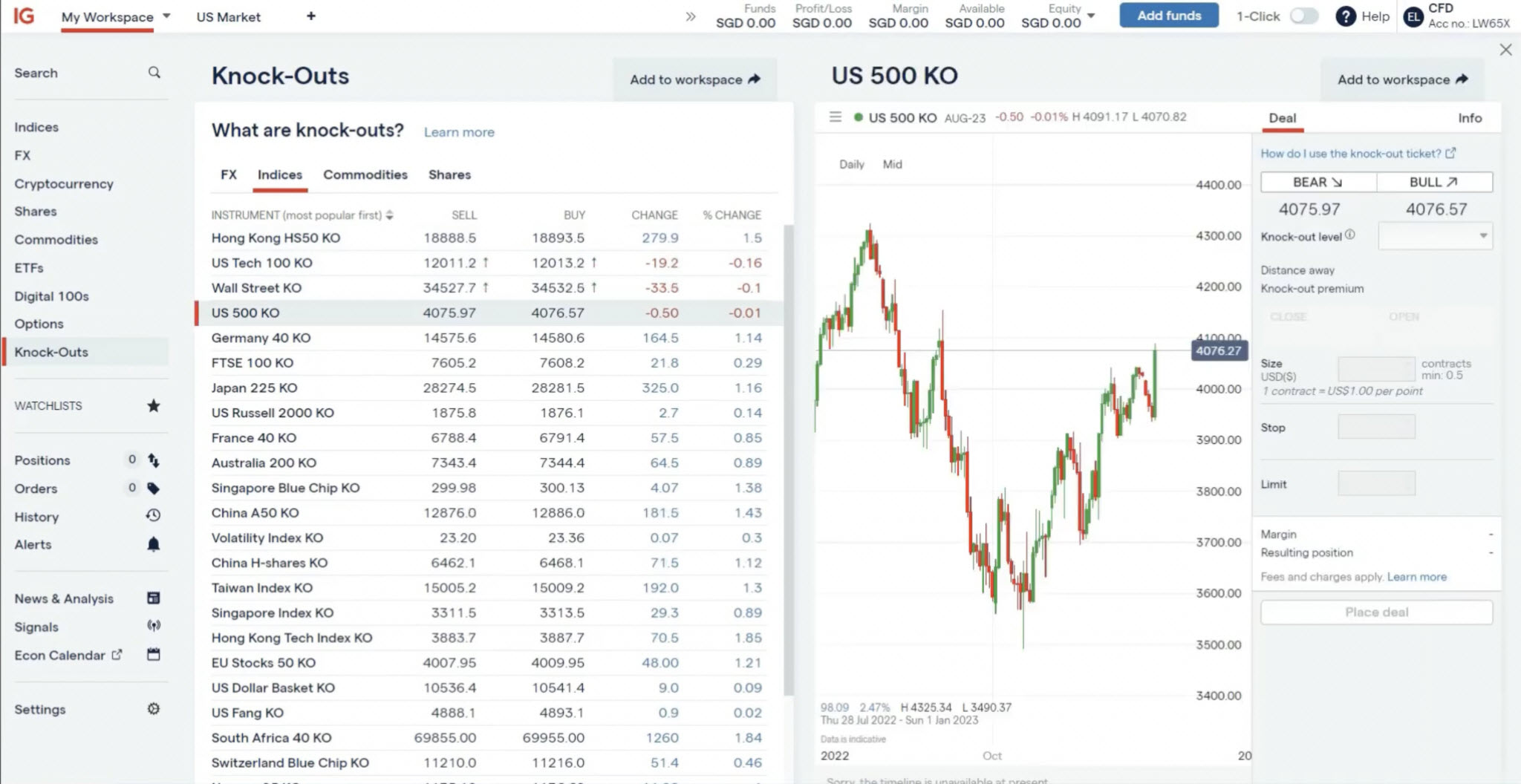
Many reputable brokers have created new products to fill the gap left by the ban. IG offer Knock-outs, for example. While these are not strictly ‘binaries’, they share many traits and similar strategies may work on both.
Deriv is another broker that offers some innovative products that might appeal to binary options traders, such as synthetic indices and accumulator options.
Brands are looking at new products all the time, so look out for marketing information.
Non-EU Branches
One less well known choice for traders, is to move their account to a regulated arm of their existing broker. That is right, you might be able to carry on with your existing broker…
This is only possible where a good binary options broker has multiple regulated brands, in other words, separate brands in each jurisdiction (or offshore). For example. Some brands have different registered companies, regulated separately – “XXX Europe Ltd” for example, but with “XXX Malaysia Ltd” as well.
It is possible for you to request an account with the Non-EU or offshore branch of the business. Brands are not allowed to market the possibility. The request has to come from the trader, and not be prompted by the firm themselves or marketing sources.
That said, ESMA has issued warnings about firms using reverse solicitation. It remains a high-risk option that could fall foul of regulatory rules and leave you without protections you may be afforded with EU-authorized brokers.
Use A Professional Account
This choice will only be available to certain traders. Basically, if a trader registers as a professional, they are saying they are experienced enough to trade high risk/high reward products like binaries, and acknowledge that in doing so, they give up regulatory protection. (Note ESMA specifically reference “retail traders” in their ban – not professional traders.)
To register for a professional trading account, traders must often prove a certain level of trading experience through two of three criteria, such as one year in a suitable financial services role and a certain level of trading capital (€500k).
In addition to opening up binary options again, registering as a professional will also mean traders can trade CFDs and forex with much higher levels of leverage.
The trade off is that professional traders often lose regulatory protection, such as access to compensation schemes and limits on leverage rates to help protect from massive losses.
Bottom Line
So there we have it. The binary options ban does not technically mean the end of European retail investors trading binaries. The ban has stopped some uninformed traders getting their fingers burnt, but experienced traders can technically carry on using them – they just need to be aware of the risks and downsides.